



25 Nov Why Pet Dental Health Matters More Than You Think
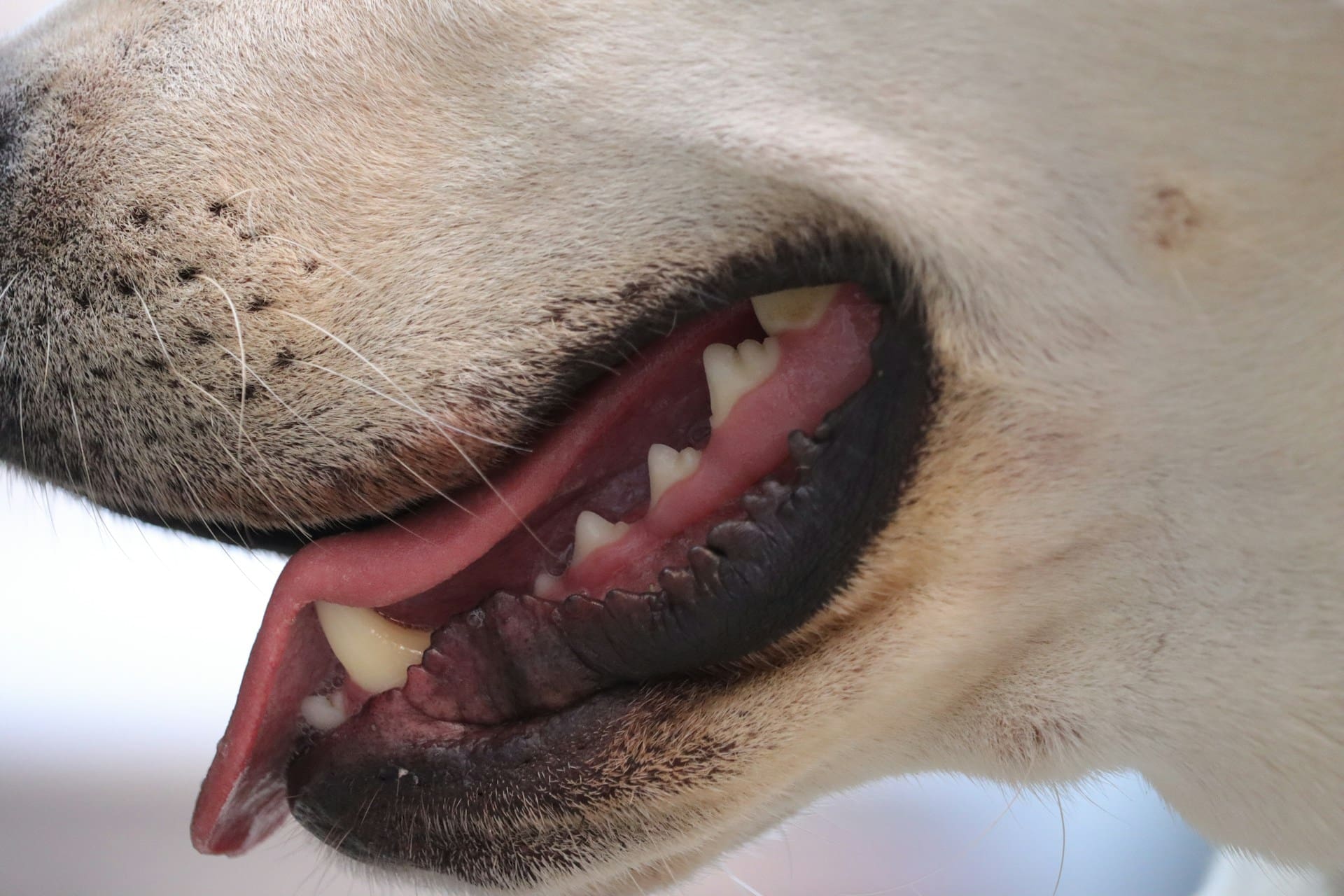
Have you taken a look (or a good sniff) in your pet’s mouth lately? Do you see brown material stuck to the teeth or red gums or do you smell something unpleasant? If so, you may be detecting what is just the tip of the iceberg when it comes to your pet’s health. Periodontal disease or periodontitis is the term used to indicate that the tissues supporting the teeth (gingiva, bone, periodontal ligament, root surface) are inflamed and receding due to inflammation. Periodontal disease is the most common health issue that pets face, but did you know that it can also affect overall health?
What Is Tartar and How Does It Form?
Tartar or calculus is the material that forms when plaque combines with minerals in the saliva to form a hard substance adhered to the surface of teeth. It can be any shade from off-white to very dark brown. Dogs form tartar more rapidly than people, as early as 48 hours after cleaning. Tartar accumulation itself is not a disease, but tartar is loaded with bacteria and its rough surface can irritate the soft tissues in contact with it.
Gingivitis and Early Inflammation: What It Means for Pet Dental Health
A more concerning finding is inflammation of the gums. That shows you that the body is reacting to something, usually plaque that has formed under the gumline. Inflammation of the gums (gingivitis) can occur with or without tartar. By itself, gingivitis is reversible. But if the inflammation has invaded the deeper tissues, then periodontal disease is present. Home dental care can help prevent periodontal disease from occurring and your veterinarian can perform treatments that can help periodontal disease from progressing, but once it is present, it is not reversible.
What Causes Bad Breath in Pets?
Bad breath can come from other sources such as systemic disease (diabetes and kidney disease), GI issues or behavior such as eating poop. The most common cause of bad breath is periodontal disease. When inflammation extends into the low-oxygen environment under the gingiva, the bacteria that are present can produce foul smelling compounds and the inflammation can cause tissues to die. If you cringe when your dog pants in your face or if your cat’s fur smells dirty (remember that cats spread their saliva on their fur when they groom themselves) then it’s past time to take action.
Health Risks Linked to Periodontal Disease
Periodontal disease doesn’t just affect your pet’s mouth—its effects can extend throughout the entire body. Both human and veterinary research show significant connections between periodontal disease and more serious systemic health concerns. Here’s what the original findings highlight:
In humans, periodontal disease is associated with:
- Cardiovascular disease
- Respiratory disease
- Pregnancy complications
- Dementia
- Certain cancers
In animals, similar patterns are observed:
- Pets with diabetes are more prone to periodontal disease
- Periodontal disease can make diabetes more difficult to manage
- Dogs with periodontal disease often show increased inflammatory markers in the bloodstream
- Dogs may also show changes in kidney values linked to periodontal disease
The volume of research on periodontal disease in animals is less than in people, but dogs, cats and humans are all mammals, so it would be no surprise to find that periodontal disease affects all of us the same way.
Protecting Pet Dental Health in Fort Collins
Now that you know how much dental health matters, it’s time to take the next step and get your pet treated. Talk to your veterinarian about your concerns. Regular anesthetized teeth cleaning with diagnostic imaging is critical for helping your pet to live their best and healthiest life. Home dental care can help prevent periodontal disease but does not replace professional care. Time and again owners report that their pet is happier, more active and more playful after the treatment of periodontal disease. If you want to learn more, contact us, your local experts in pet oral health at Animal Dental Care & Oral Surgery in Fort Collins.
Images used under creative commons license – commercial use (11/25/2025) Photo by Vidak on Unsplash