


19 Mar Dental Anesthesia for Senior Pets: Extra Considerations for Aging Dogs and Cats
As our pets age, their needs change and that includes how we approach senior pet dental anesthesia for dental procedures. Dental disease is extremely common in senior dogs and cats, and treatment requires general anesthesia to allow for safe and thorough care. While many pet owners worry about anesthesia in older animals, modern protocols and careful planning make senior pet anesthesia safer than ever.
Why Senior Pets Need Dental Anesthesia for Proper Care
Here’s what you should know about dental anesthesia for aging pets and the extra considerations that help keep them safe:
Unlike people, pets cannot safely sit still and keep their mouths open for dental radiographs, periodontal probing, scaling beneath the gumline, or extractions. Anesthesia ensures complete oral examination and diagnostic imaging, protection of the airway from water and debris, reduced stress and anxiety, and appropriate pain control.
For senior pets, untreated dental disease can contribute to chronic pain, infection, and systemic inflammation. In many cases, the benefits of addressing oral disease outweigh the risks of anesthesia, especially when those risks are carefully managed.
Is Anesthesia Safe for Senior Dogs and Cats?
One of the most important things to understand is that age alone does not disqualify a pet from anesthesia. Many senior dogs and cats undergo dental procedures safely every day. What matters most is their overall health status.
However, older pets are more likely to have underlying conditions such as kidney disease, heart disease, liver dysfunction, endocrine disorders (e.g., diabetes, hyperthyroidism), and arthritis. Because of this, anesthesia for older pets requires a more tailored and individualized approach.
Pre-Anesthetic Testing for Senior Pet Dental Procedures
Before anesthesia, senior pets will undergo a comprehensive screening. This may include complete bloodwork (CBC and chemistry panel), urinalysis, blood pressure measurement, and/or thoracic radiographs or echocardiogram.
These tests help identify hidden issues and guide anesthetic drug selection, fluid therapy, and monitoring plans. Detecting a problem beforehand allows us to modify protocols to reduce risk.
Customized Anesthesia Plans for Aging Pets
There is no “one-size-fits-all” anesthetic plan, especially for aging pets. We work with our team of board-certified veterinary anesthesiologist to tailor a plan that is unique to your pet and their needs.
Adjustments may include lower drug dosages, use of short-acting, reversible medications, careful selection of drugs that are easier on the liver and kidneys, and adequate pain control.
Monitoring During Senior Pet Dental Anesthesia
Modern monitoring significantly improves the safety of senior pet anesthesia. During dental procedures, trained team members continuously monitor heart rate and rhythm, blood pressure, oxygen saturation, carbon dioxide levels, and body temperature.
Recovery and Aftercare for Senior Pets After Anesthesia
Recovery can take longer in senior pets, so we provide a calm, warm environment with close observation. Pain management is also carefully tailored, particularly if there are concerns about kidney or liver function.
Effective pain control is essential, not only for comfort but also for smoother healing and faster return to normal behavior.
Senior Pet Dental Anesthesia Safety: What Pet Owners Should Know
Dental health is a vital part of overall wellness, especially in senior pets. While anesthesia always carries some risk, advances in monitoring, drug protocols, and individualized care have made senior pet dental anesthesia safer than ever for aging dogs and cats.
If you have concerns about senior pet dental anesthesia, talk with our veterinary dental and anesthesiology team. Together, we can review your pet’s health status, discuss testing options, and develop a plan that prioritizes both safety and comfort, so your senior companion can enjoy a healthier, pain-free life.
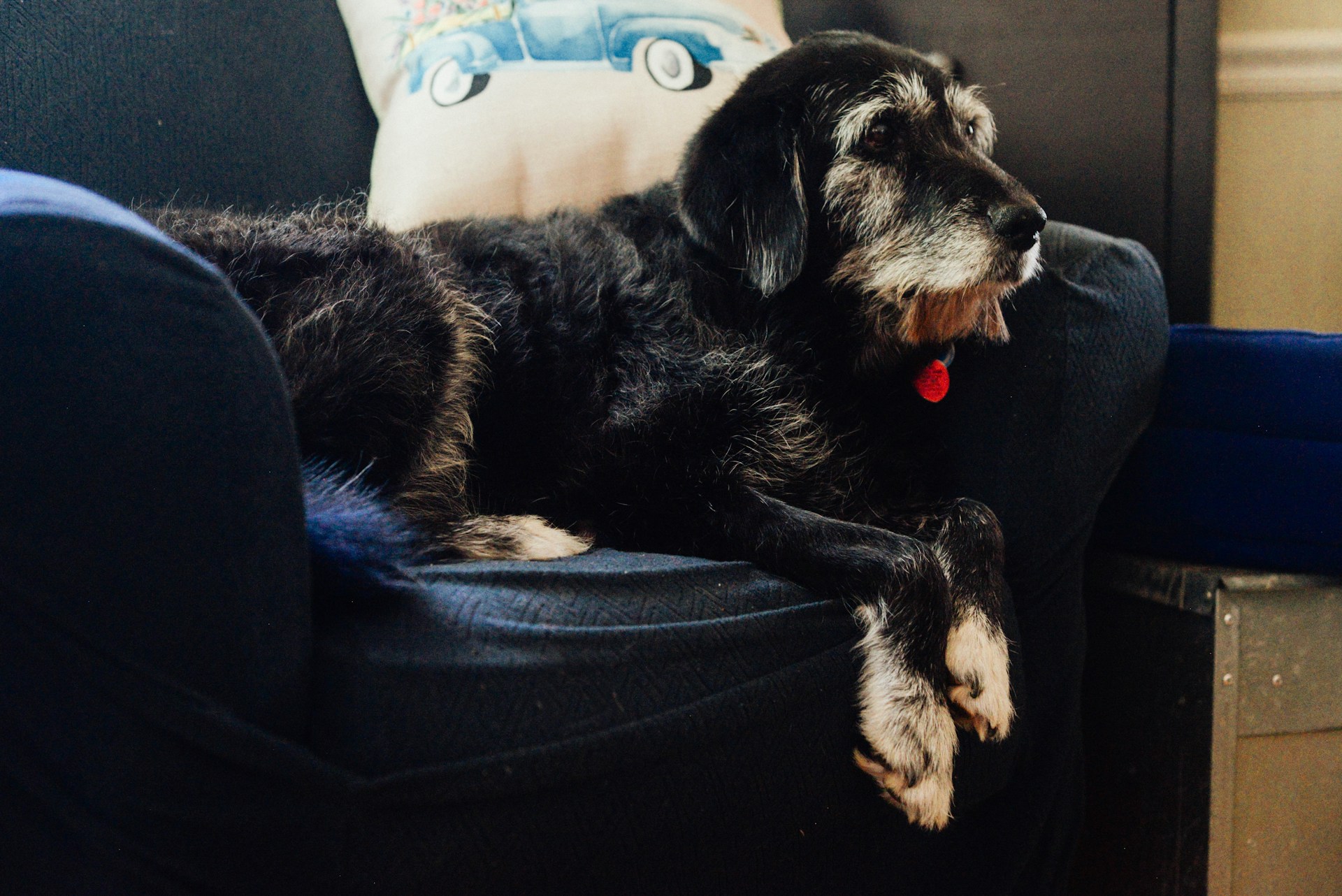
Photo by Loren Cutler on Unsplash used with permission under the Creative Commons license for commercial use 03/19/2026