



07 Aug Dog Tooth Extraction: When It’s Necessary and What to Expect
The two most common reasons why a dog might need to have a tooth extracted are periodontal disease and a tooth root abscess. Periodontal disease causes bone loss around a tooth, while an abscess causes infection in the bone starting at the root tip. Both conditions can cause pain and chronic inflammation that affect a dog’s overall health. When a tooth hurts, sometimes extraction is the quickest and least expensive way to resolve the pain.
Why Dog Dental Extractions Require Specialized Care
Dental extractions in dogs can be challenging due to their relatively large tooth roots compared to the thickness of their jaw bones. Dental extractions that are not performed correctly can result in additional problems ranging from incomplete extraction to oronasal fistula (a hole between the nose and the mouth) or even jaw fracture. At Animal Dental Care & Oral Surgery in Fort Collins, we have the expertise, advanced imaging capabilities and specialized equipment to perform dental extractions efficiently and safely.
What Happens Before an Extraction?
All dogs undergoing surgery need general anesthesia, and we use board-certified anesthesiologists to help guide anesthetic and pain management protocols. Before starting surgery, cone beam CT and dental radiographs help us to plan the surgical approach while nerve blocks numb the area, allowing us to keep patients in a lighter plane of anesthesia. A complete oral exam is performed with magnification, and any treatment plan is communicated with you before surgery begins. If there are multiple options for treating a tooth, we can review the options at that time.
How a Dog Tooth Extraction Is Performed
Surgical extraction involves creating a flap in the soft tissue of the mouth to peel back and expose the bone over the tooth root. A thin portion of this bone is removed to expose the root and allow for its elevation. Multi-rooted teeth are sectioned so that each root is removed separately. Post-op imaging is used to verify that the tooth was fully removed. Dissolvable suture is used to close the extraction site, replacing the soft tissue flap.
Recovery After a Dog Tooth Extraction
After having any teeth extracted, the mouth needs to rest so it can heal. If all goes well, the healing takes about two weeks. During that time, your dog will need to be on a soft diet and avoid chewing on toys or playing with other dog friends. At Animal Dental Care & Oral Surgery, we offer a free recheck exam two weeks after surgery to make sure that everything has healed properly before your dog returns to their normal diet and activities. We also use this appointment to talk about home dental care and provide samples of products that can help keep your dog’s teeth healthy.
Get Expert Care for Your Dog’s Tooth Extraction
Remember that daily toothbrushing to prevent periodontal disease and avoiding hard chew toys to prevent tooth fractures are the best methods to help your dog keep their teeth as long as possible. Even with these precautions, sometimes dental extractions are indicated. Whether you want to explore advanced therapy such as periodontal surgery or root canal treatment, or if extraction is the best choice for you and your dog, at Animal Dental Care & Oral Surgery in Fort Collins, you can be sure your dog is getting the highest level of care available.
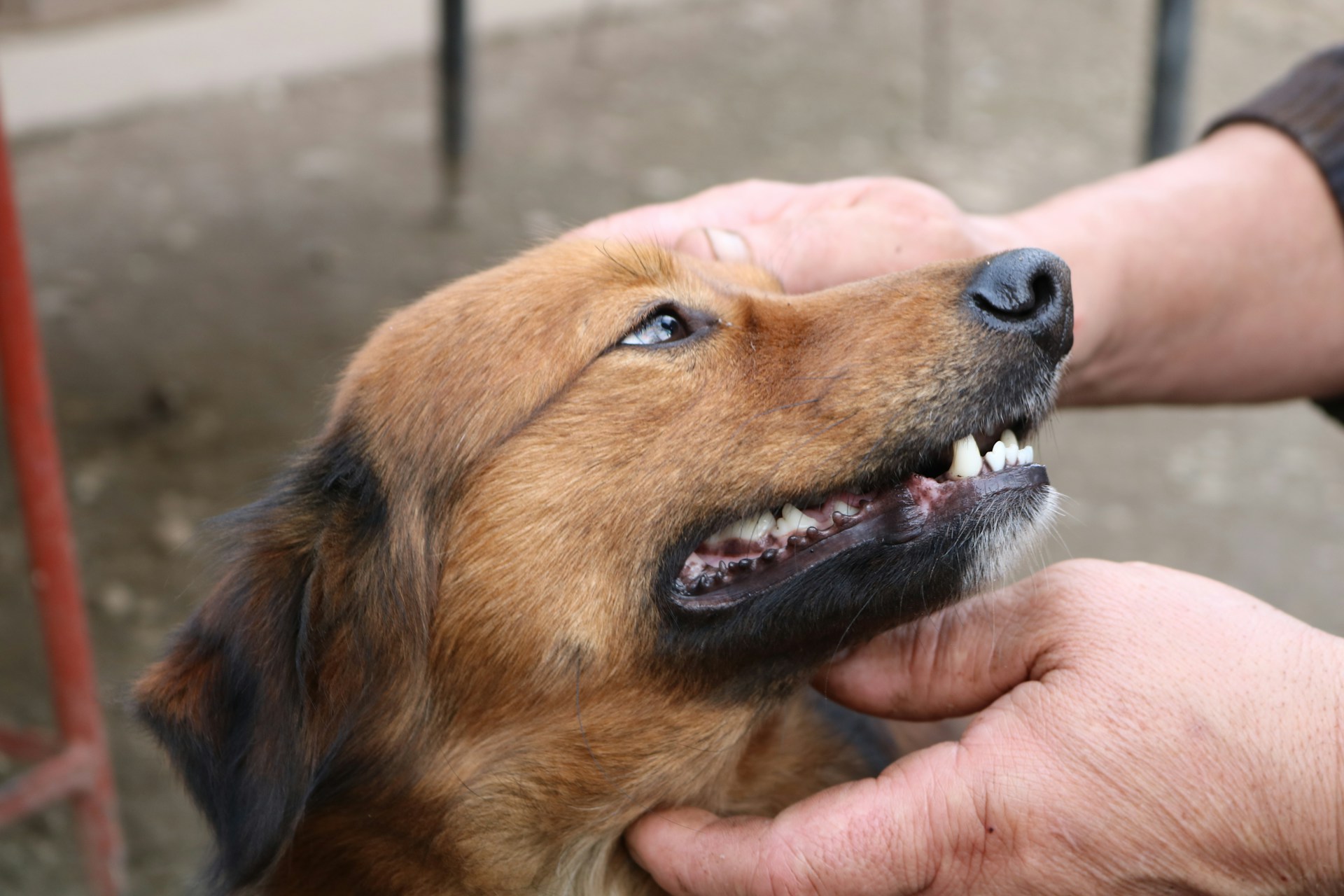
Photo by Fox on Unsplash used with permission under the Creative Commons license for commercial use 08/10/2026