
Cat Tooth Extraction: When It’s Necessary and What to Expect
The two most common reasons why a cat might need to have a tooth extracted are periodontal disease a...
28 August, 2026



Extraction of teeth is one of the most common oral surgical procedures performed in dogs and cats. Dental extractions may be necessary for a variety of reasons including severe periodontal disease and tooth resorption. Extraction is also a treatment option for teeth that are fractured or non-vital (dead) as an alternative to endodontic (root canal) therapy.
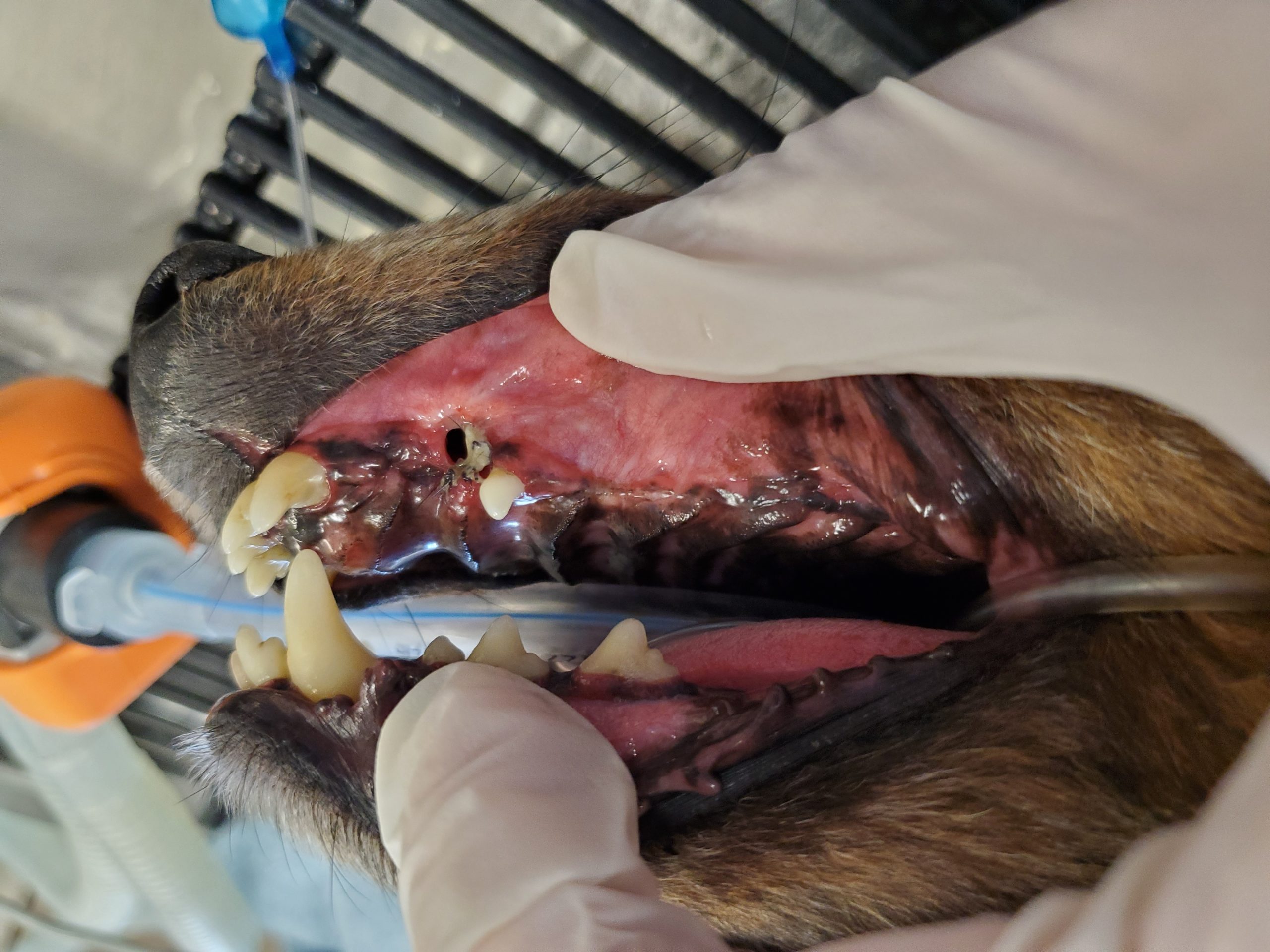
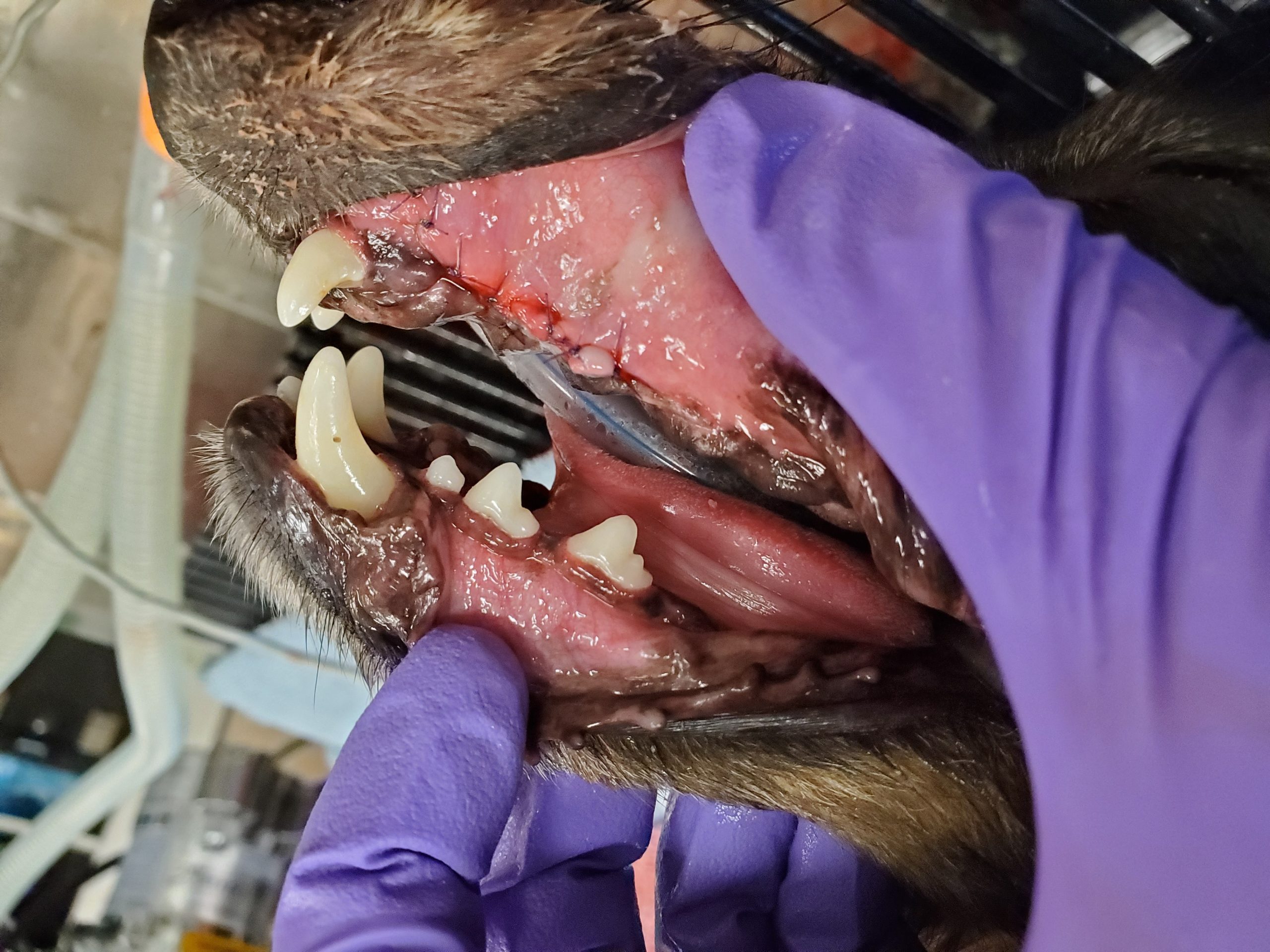
An oronasal fistula is a communication between the mouth and the nose that is most commonly caused by severe periodontal disease at the upper canine teeth in dogs, especially toy breeds. Symptoms include sneezing, congestion, reverse sneezing and nasal discharge although some pets will not have obvious symptoms at early stages of the problem.
Oronasal fistulas can be challenging to repair and have the best chance of healing if the surgery is performed correctly the first time.
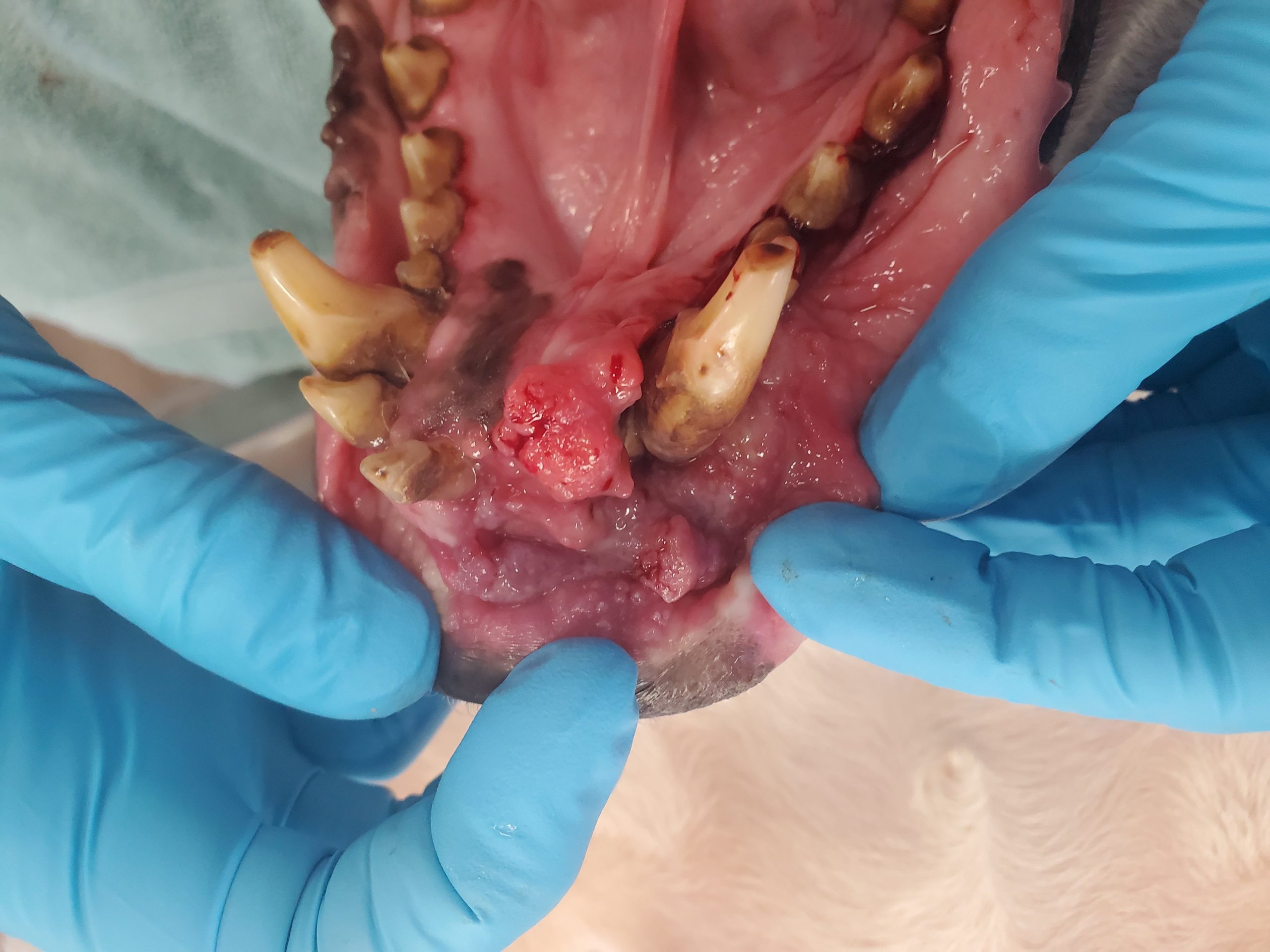
Oral tumors in pets can range from benign growths to serious, life-threatening cancers. They often go unnoticed until they cause pain, bleeding or difficulty eating. Early removal helps ease discomfort and can significantly improve long-term health.
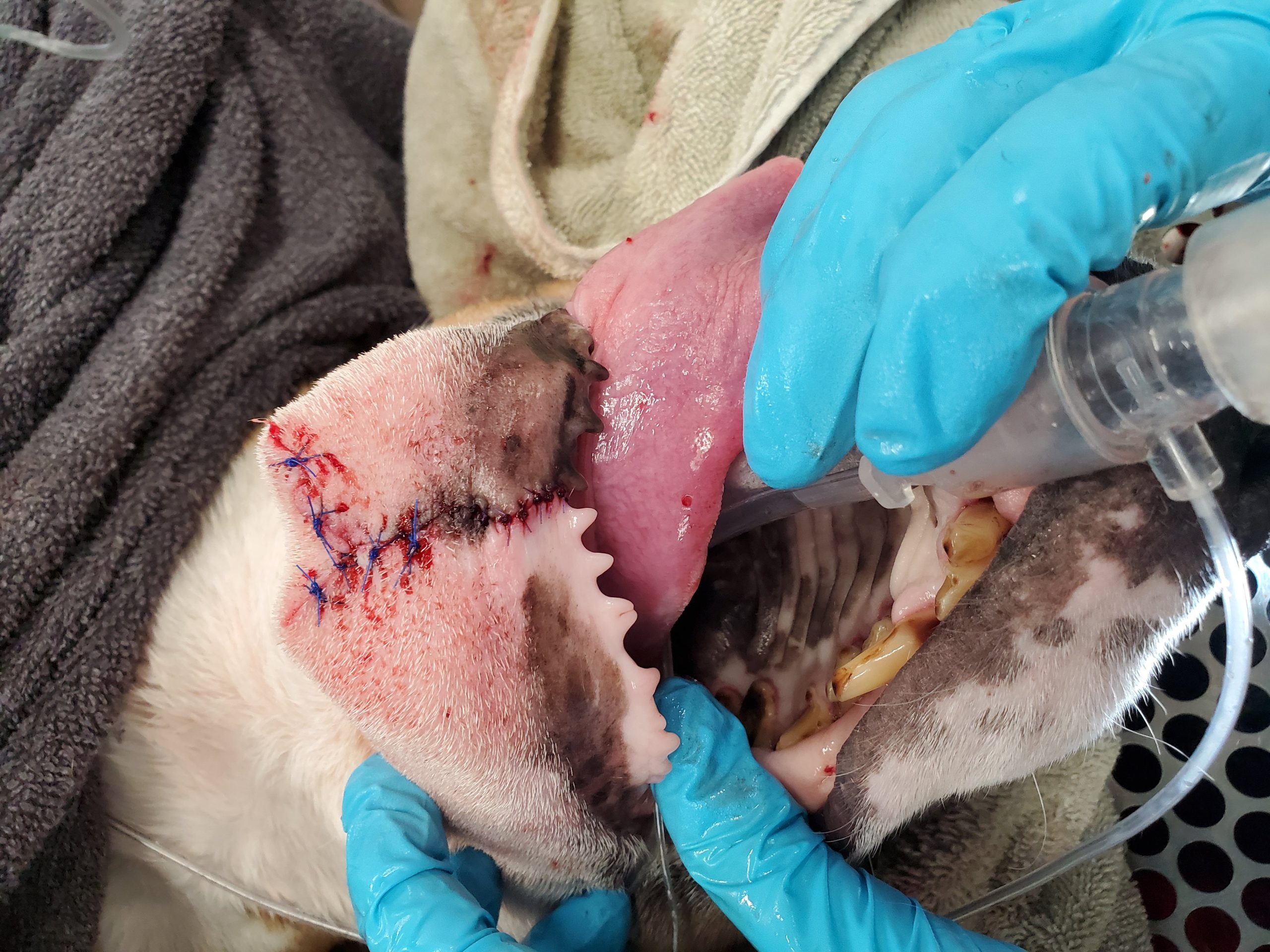
A mandibulectomy is a surgical procedure to remove part or all of the lower jaw and a maxillectomy is a surgical procedure to remove part of the upper jaw. These procedures are done to treat oral cancer, severe trauma or non-healing infections in pets.
While it may sound drastic, many pets adapt incredibly well and regain normal function, including eating and playing comfortably. These procedures can significantly improve a pet's quality of life and eliminate painful or life-threatening conditions.
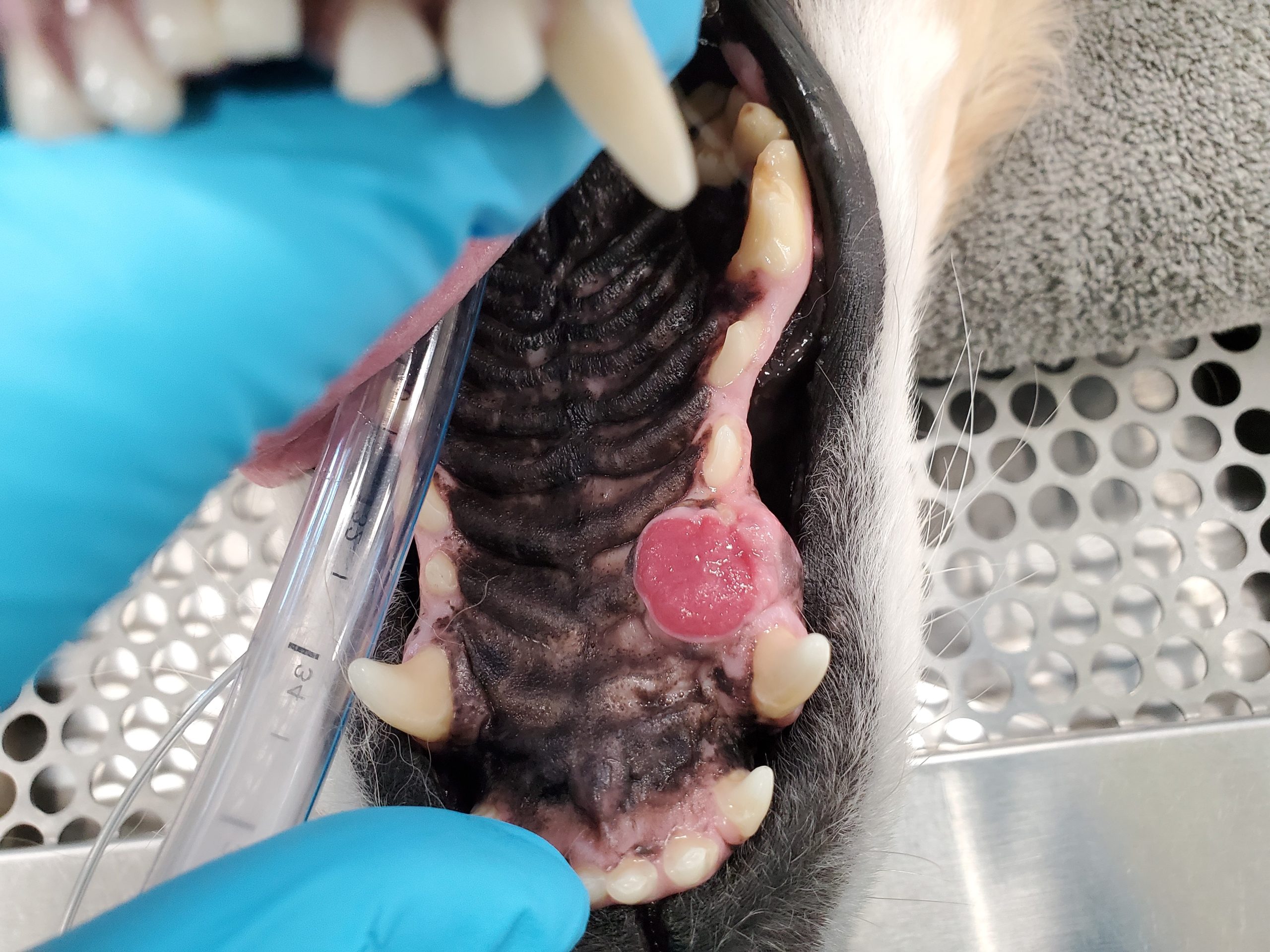
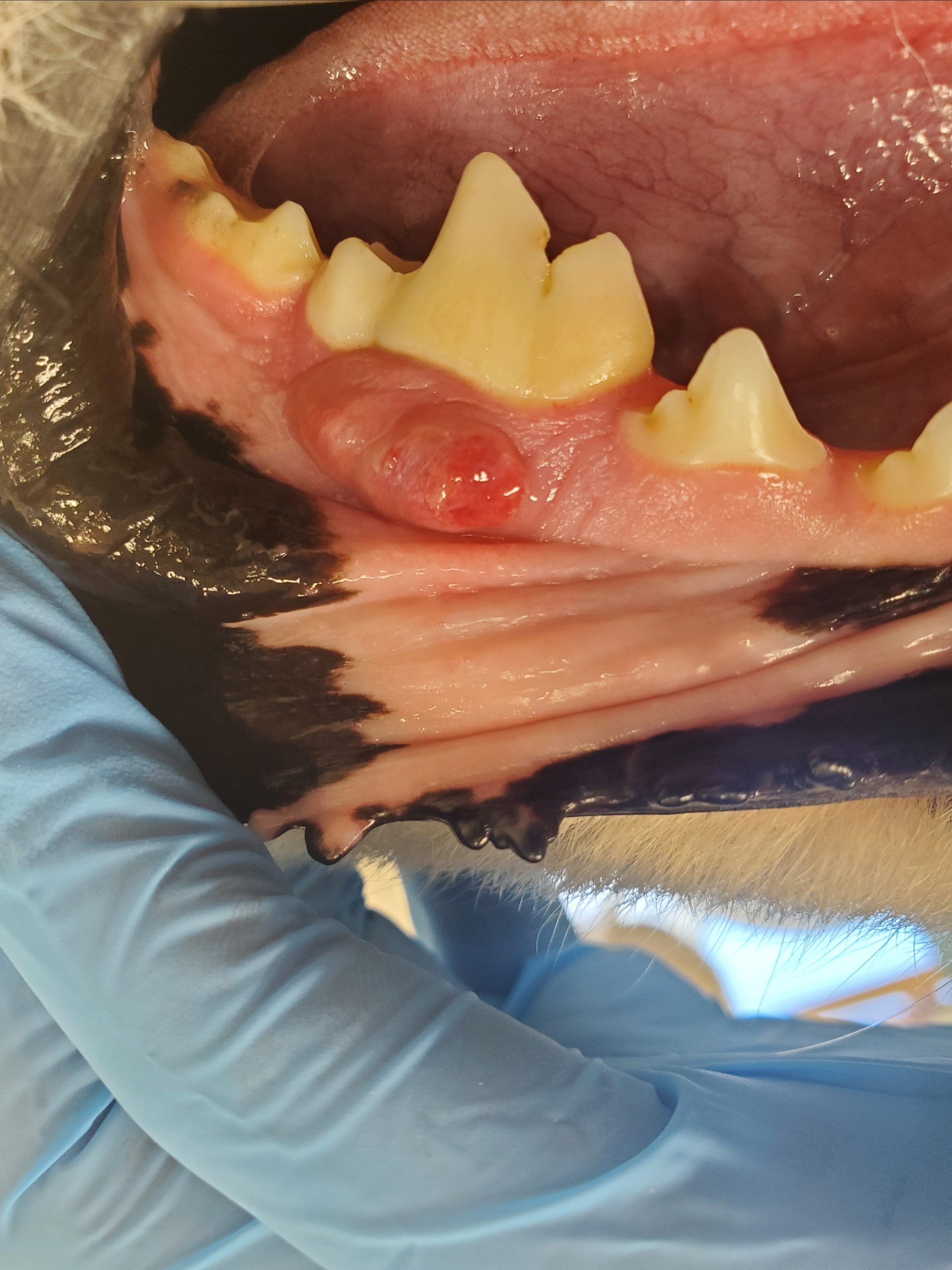
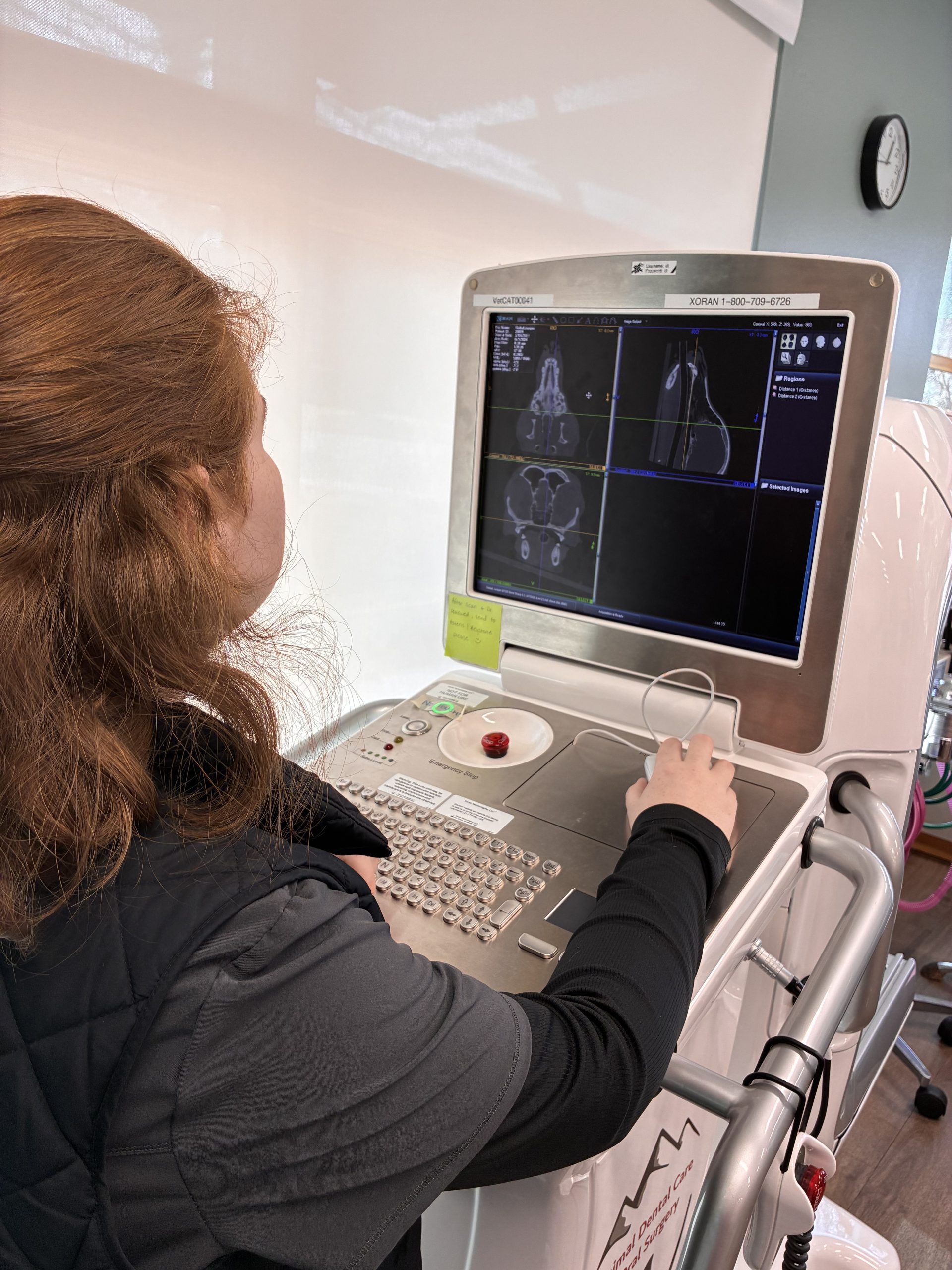
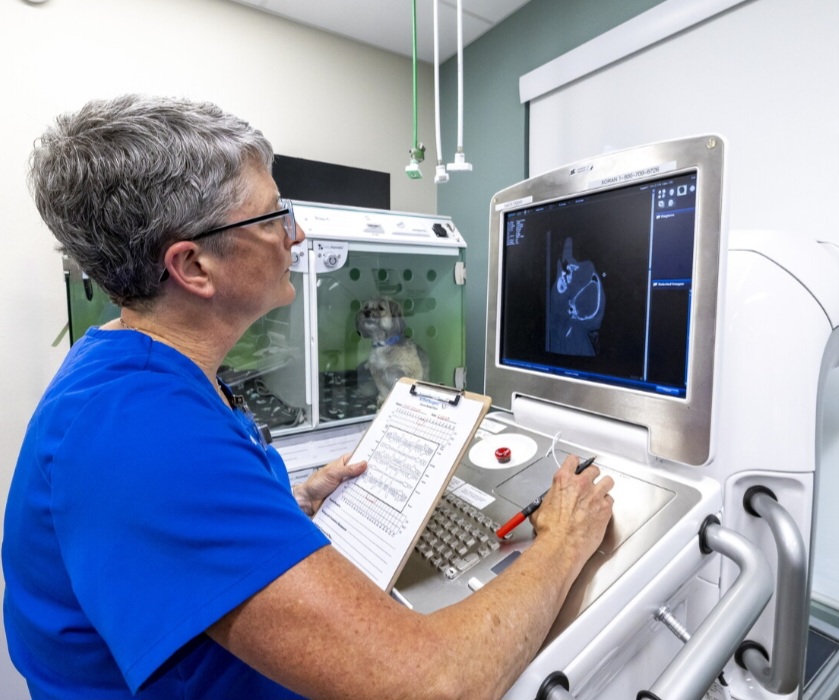
It can be overwhelming and scary to find a tumor in your dog's mouth. The first step that your Veterinary Dentist® will likely recommend is diagnostic testing to try and determine what kind of mass or tumor your dog is dealing with. This includes Cone-Beam Computed Tomography (CBCT) and a biopsy.
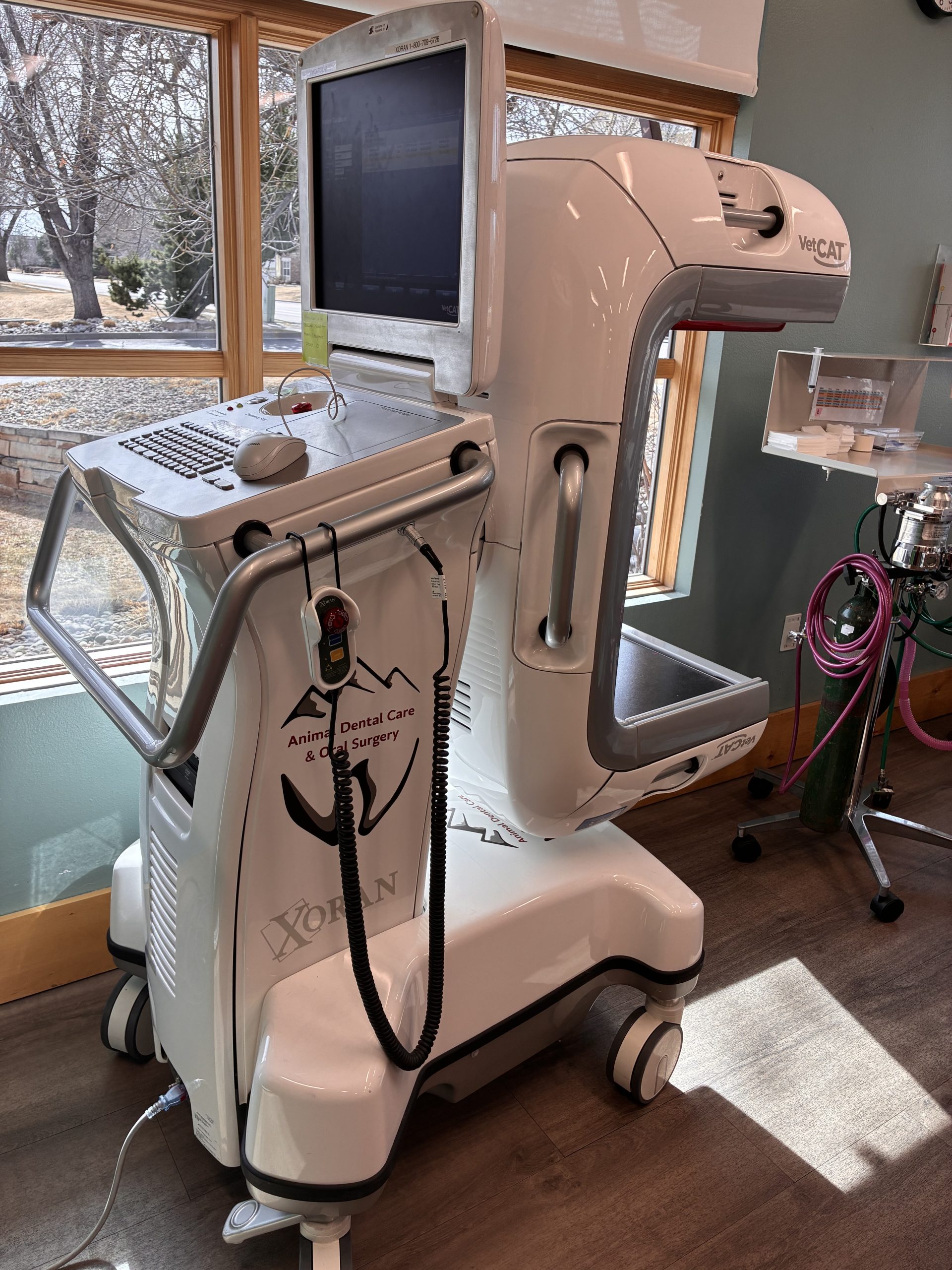
Collecting a biopsy sample of the lesion is an important first step to determine what kind of lesion or cancer is present. This is incredibly important because some tumors will require a large margin of "normal" appearing tissue to be excised to completely remove the cancer. Other masses may not need aggressive surgery or would be better treated with radiation or chemotherapy. Knowing what kind of tumor is present is necessary to make the best choices regarding treatment.
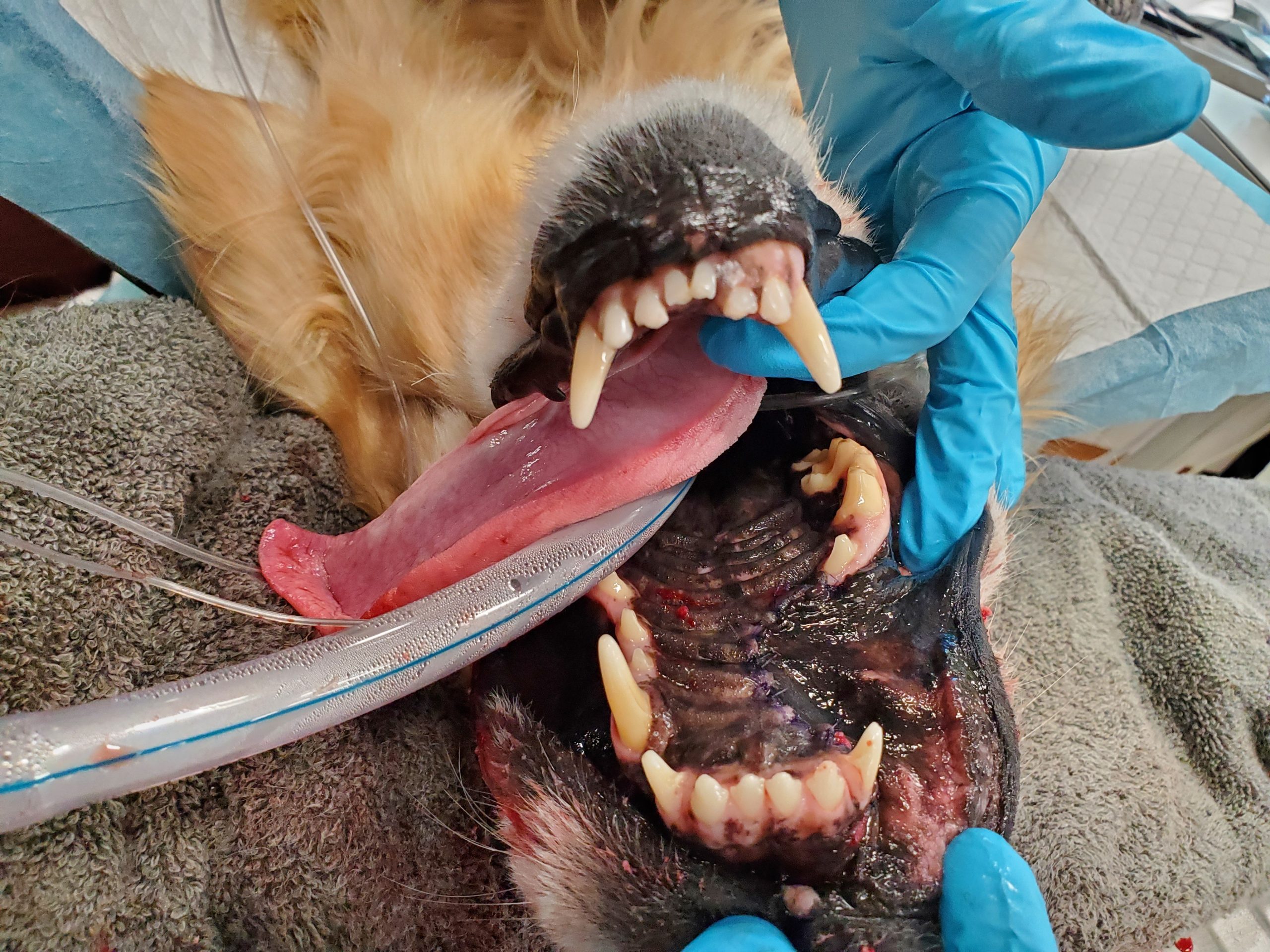
Injuries to the face in dogs and cats can result from accidents, bites or falls and often involve fractures to the jaw, cheekbones or skull. These injuries can be painful and can impact your pet's ability to eat, breathe and function normally.
If left untreated, jaw fractures can heal improperly, leading to chronic pain, misalignment of the teeth, or infection. Prompt surgical repair helps restore normal function, reduces pain and improves your pet's quality of life.
Bone fractures can occur anywhere where bone is present on the skull. Most commonly, dogs and cats may fracture their mandibles (lower jaw) or parts of the upper jaw and face, like the cheekbones.
Treatment options for fractured jaws vary greatly depending on the location and cause of the fracture, size and type of patient (dog or cat) and other injuries that the pet may suffer from. Your Veterinary DentistTM will discuss the options on a case-by-case basis to help determine the best course of treatment for each individual pet. Some of these treatment options may include:
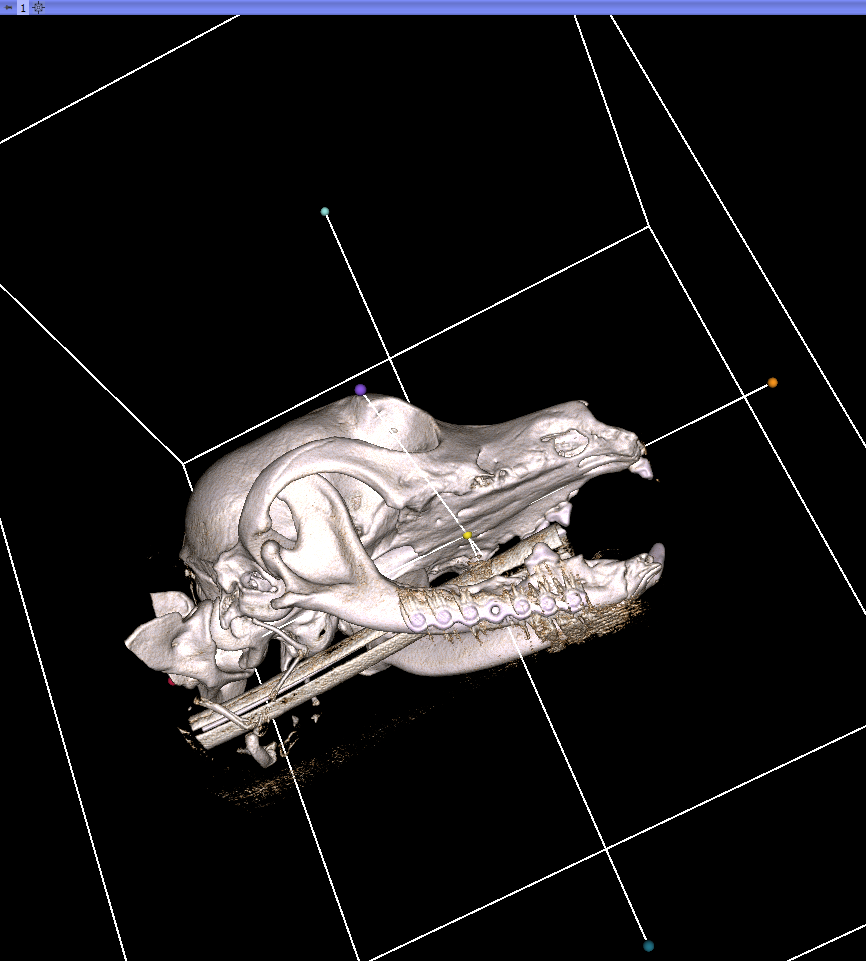
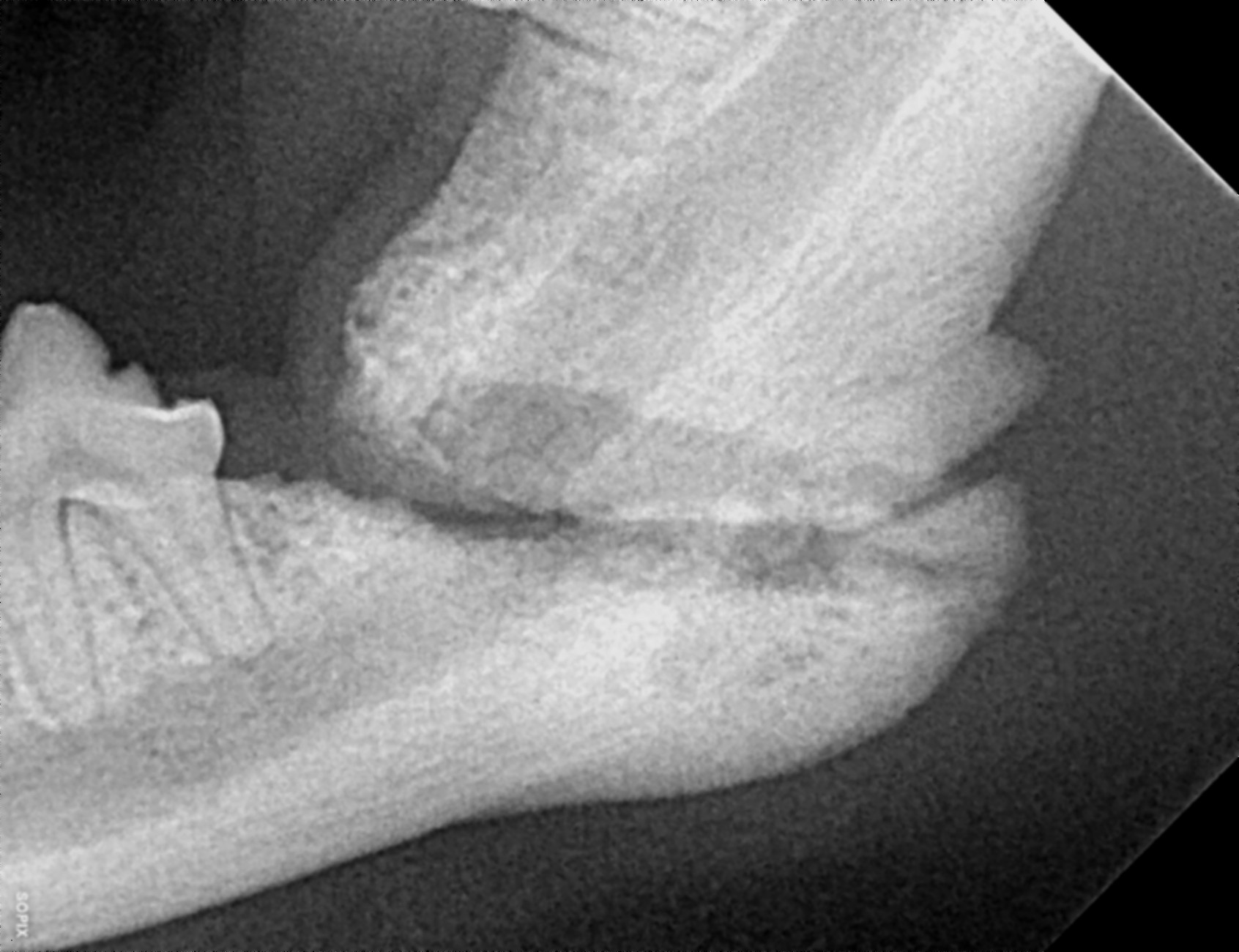
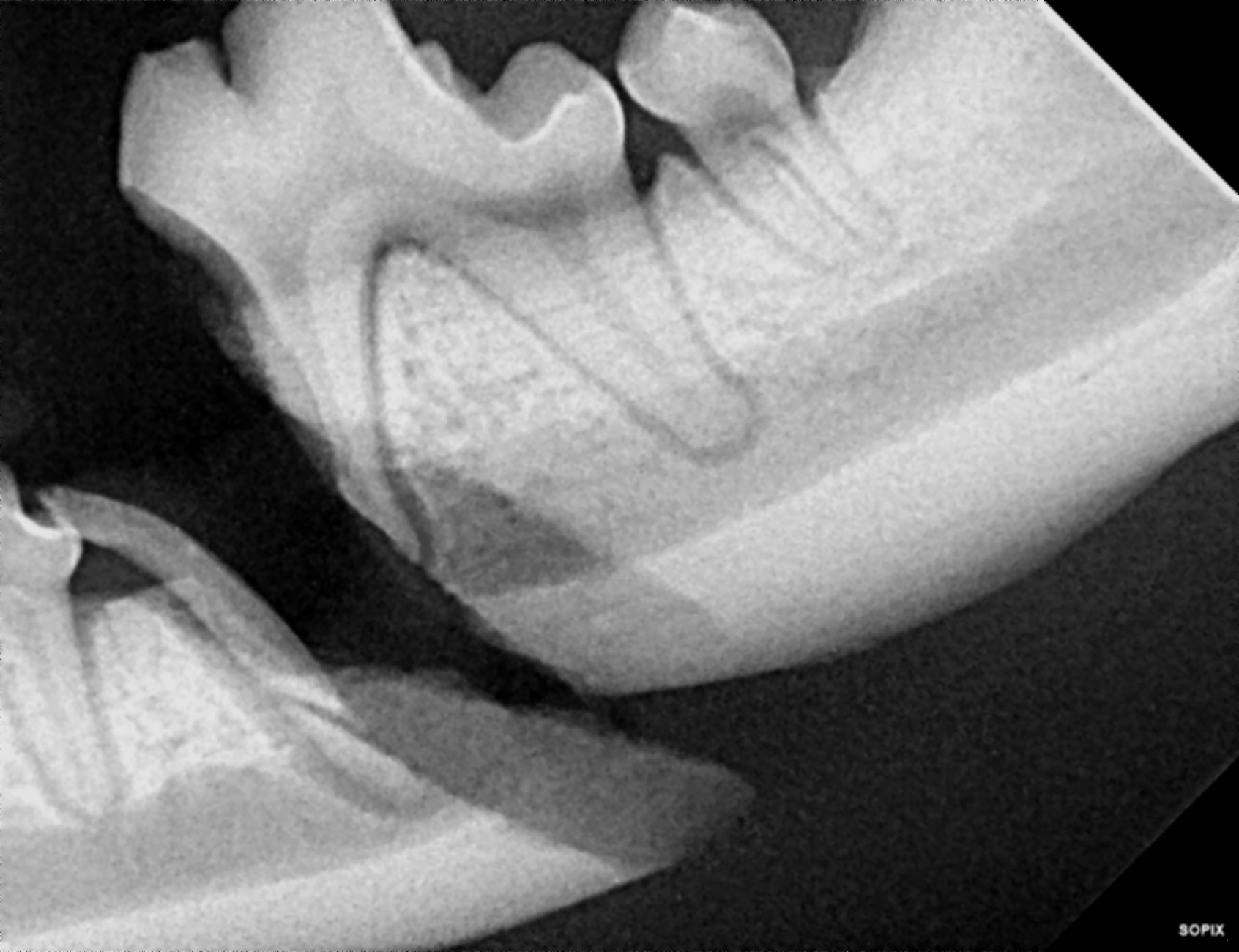
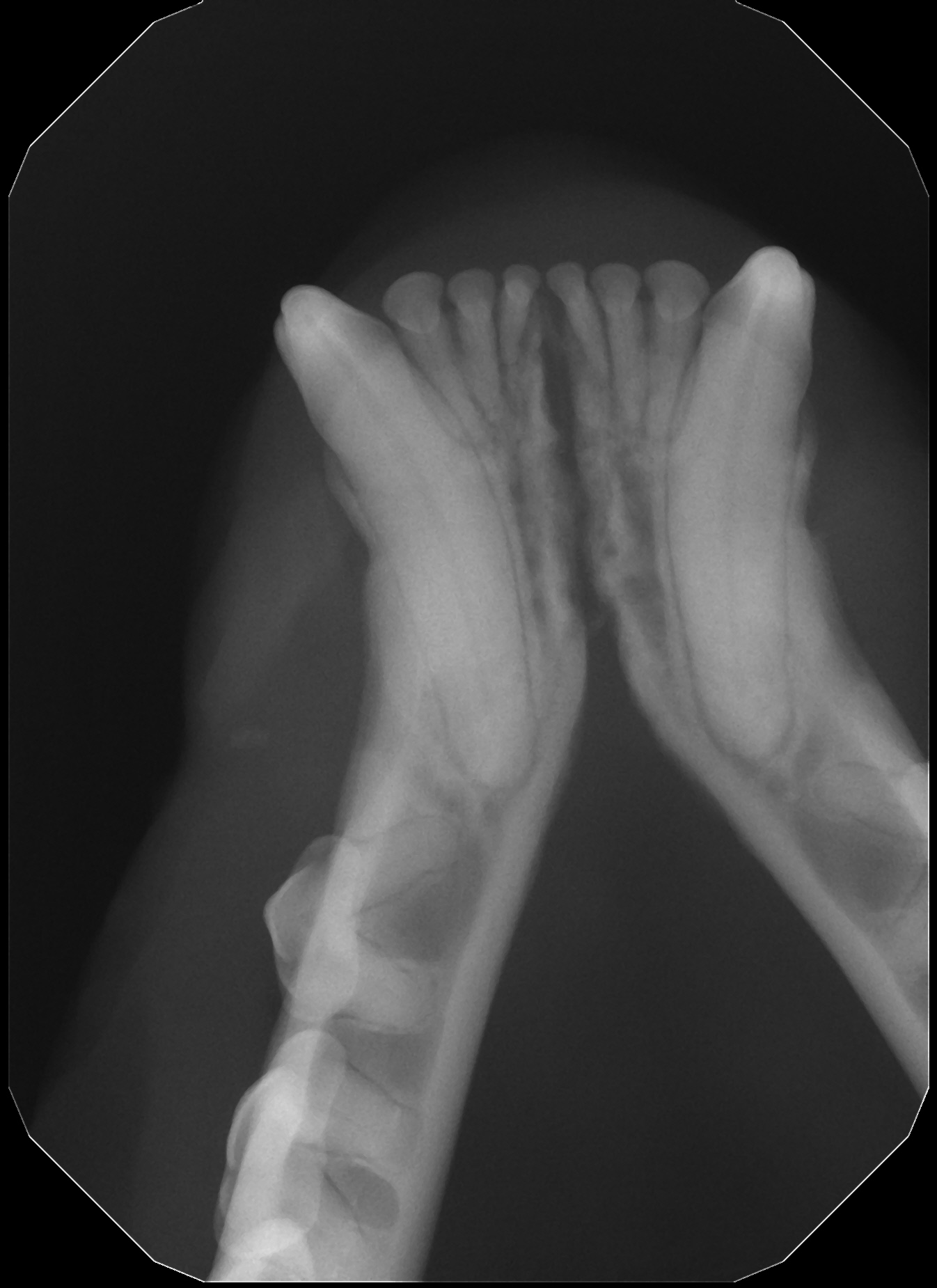
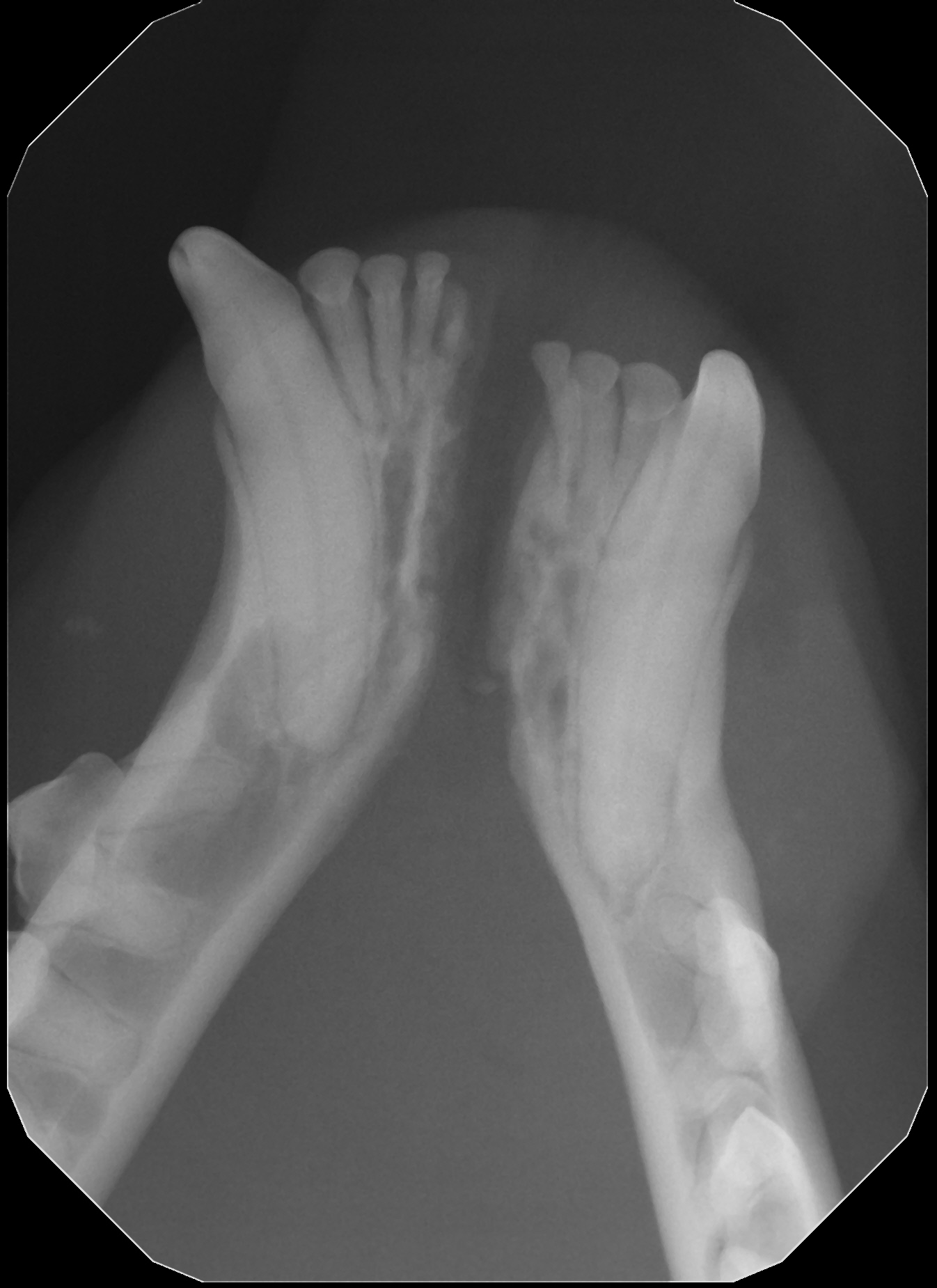
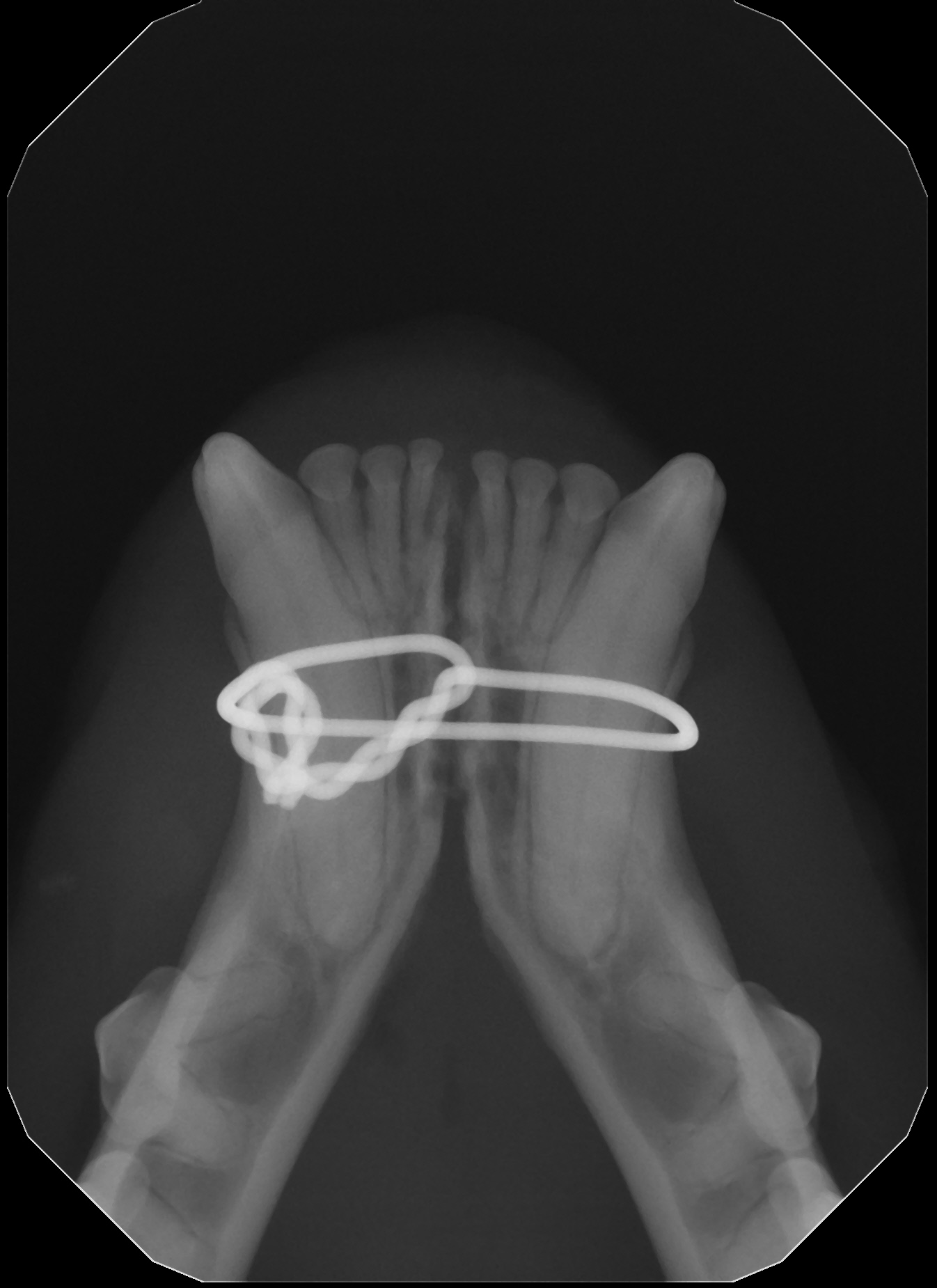
This technique provides precise alignment of fracture fragments and rigid stabilization of the fracture. This promotes faster healing, reduced pain and a quicker return to normal activities. A titanium plate and screws are used to bring the bone fragments back into alignment.
Unlike several of the other fracture treatment options which may require multiple anesthetic procedures, the plate and screws are designed to stay in place for the life of the patient, meaning a second procedure to remove the hardware is typically not required.
Some animals are born with cleft palates. These defects may also affect the teeth and lips. A cleft palate in a newborn puppy or kitten may make it impossible for them to nurse normally. With supportive care, these babies can be allowed to grow until they are old enough for surgical repair.
Other cleft palates can occur from trauma such as a bite wound or a stick or bone getting wedged across the roof of the mouth. Surgical repair of cleft palates can be complex and healing can be challenging. Often more than one surgery may be needed to repair larger clefts.
Dogs and cats can develop swellings around the mouth secondary to accumulation of saliva under the tissues. The swelling can be under the tongue, neck, eye, or inside the throat. Sialocele, salivery mucocele or ranula are some of the terms used to describe this problem.
Draining the swelling may provide temporary relief, but some animals need to have a salivary gland removed to achieve long-term resolution.

The two most common reasons why a cat might need to have a tooth extracted are periodontal disease a...
28 August, 2026
Depending on the type of procedure a pet has, they often need medications for a few days after surge...
20 June, 2025
Veterinary dentistry has made remarkable advancements in recent years, offering treatments previousl...
18 June, 2025
Dental extractions are one of the most common types of oral surgery recommended for dogs and cats. T...
12 March, 2025
Are you a veterinarian looking to boost your confidence in veterinary dentistry? Look no further! Jo...
10 January, 2025
Oral surgery, especially dental extractions, is common in dogs and cats. After surgery, your Veterin...
03 January, 2025
It is truly one of the most miraculous events when a puppy or kitten is born. To think that what sta...
04 April, 2024
Oral surgery can be a challenging experience for anyone, including our beloved pets. Whether they...
29 March, 2024We are OPEN during construction unless circumstances require otherwise. If you have any difficulty accessing our building when you arrive, please call us at 970-732-9777, and we'll be happy to assist you.
What to expect during construction:
We appreciate your patience and understanding as we complete these improvements. We'll continue to keep everyone updated as the project progresses.