



06 Mar Why General Anesthesia Is Essential for Safe and Thorough Veterinary Dental Procedures
For any dog or cat, general anesthesia for a pet dental cleaning is the safest, least stressful and only way to ensure that a thorough dental cleaning, examination and treatment can be performed. Why is that? Well, first of all, one of the primary reasons for dental cleaning is to prevent periodontal disease, one of the most common chronic inflammatory disorders in dogs and cats. When plaque builds up under the gum tissue, it can trigger inflammation that leads to gum recession, bone loss and eventually tooth loss. Not to mention the bad odors that can result!
Why General Anesthesia for a Pet Dental Cleaning is Needed
Cleaning under the gumline around every aspect of every tooth requires dogs and cats to be perfectly still so the various instruments used do not cause any harm. In addition, the airway needs to be protected from the bacteria-laden debris that is removed and the water that is used to rinse the mouth. This is done by placing an endotracheal tube with an inflatable cuff in the trachea. Just removing the visible tartar on the crown of a tooth does nothing to improve an animal’s health, since plaque and tartar on the crown of the tooth do not cause periodontal disease.
General anesthesia is so important for diagnosing and treating oral disease that the American Veterinary Dental College has published an official statement on the use of anesthesia in veterinary dental procedures.
The Importance of Oral Exams and Dental Radiographs
Because periodontal disease, and many other problems, occur only below the gumline, it is important that a thorough oral exam is performed with a veterinarian probing around each tooth and recording their findings in a chart. The anesthetized oral exam also allows a veterinarian to see areas like the tonsils and under the tongue. Full mouth dental radiographs should be performed on each patient. Without them, studies have shown that 30% or more of significant dental health issues may be left untreated. Dental radiographs also require that the patient be absolutely still.
Additional Treatments That May Be Performed During a Dental Procedure
Diagnostic imaging and the anesthetized oral exam may reveal that your pet needs additional treatment such as deep pocket cleaning, dental extractions, root canal therapy or even a biopsy. If your pet is under general anesthesia, these painful procedures can be done without causing any distress. We can also take care of those challenging tasks, such as toenail trims or shaving matted fur.
How Veterinary Teams Keep Pets Safe Under Anesthesia
At Animal Dental Care & Oral Surgery in Fort Collins, we understand how much pet parents worry about the risks of general anesthesia. We screen our patients by reviewing medical history, performing a physical examination and performing lab tests before putting a pet under anesthesia. In some cases, we may recommend an echocardiogram, abdominal ultrasound or chest x-rays for certain patients. Every patient has an individualized anesthetic drug plan and access to a board-certified anesthesiologist. Some pets may benefit from receiving anxiety-reducing medication prior to their visit.
Safe and Effective Dental Care for Your Pet
A board-certified veterinary dentist or resident (a veterinarian in training to become a specialist) performs the oral exams and reviews diagnostic imaging before calling owners to discuss the findings and treatment options. All patients are monitored closely after anesthesia to be sure that they are warm and comfortable before they return home.
If you have questions or concerns about general anesthesia, please feel free to give us a call.
You can also read more about different aspects of anesthesia on the Veterinary Anesthesia Help blog.
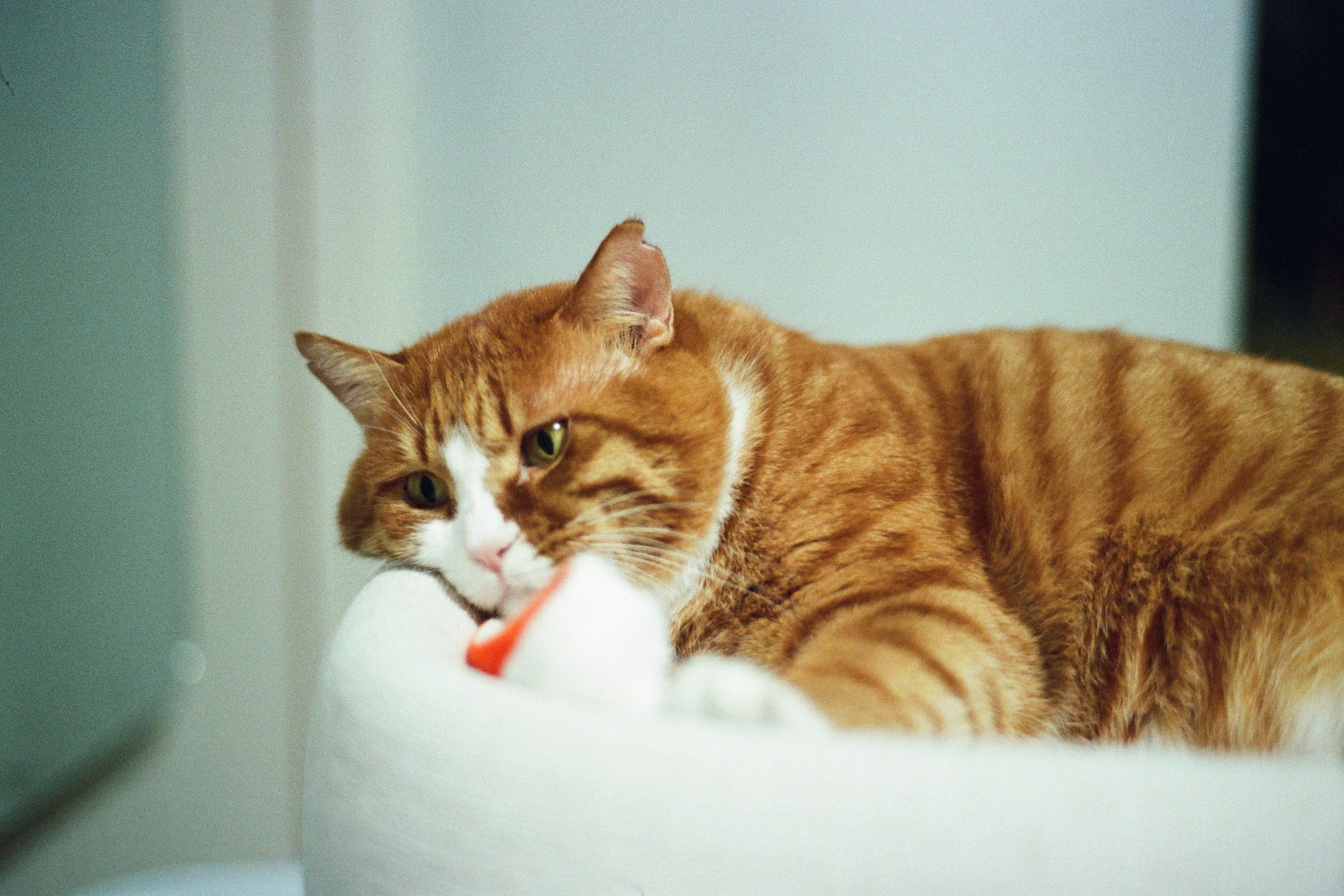
Photo by krzhck on Unsplash used with permission under the Creative Commons license for commercial use 03/06/2026