




pet anesthesia Tag

Board-certified Veterinary Anesthesiologists™ are veterinarians who have completed a 3-year residency which consisted of additional specialized training in anesthesiology and pain management (analgesia). They have also published scientific literature in the field and passed extensive advanced testing to become board-certified by the American College of...


Dental procedures can feel overwhelming for pet owners, especially when anesthesia is involved. Understanding what happens before, during, and after your pet’s procedure can help ease anxiety and build confidence in their care. This guide walks you through what to expect during veterinary dental anesthesia,...

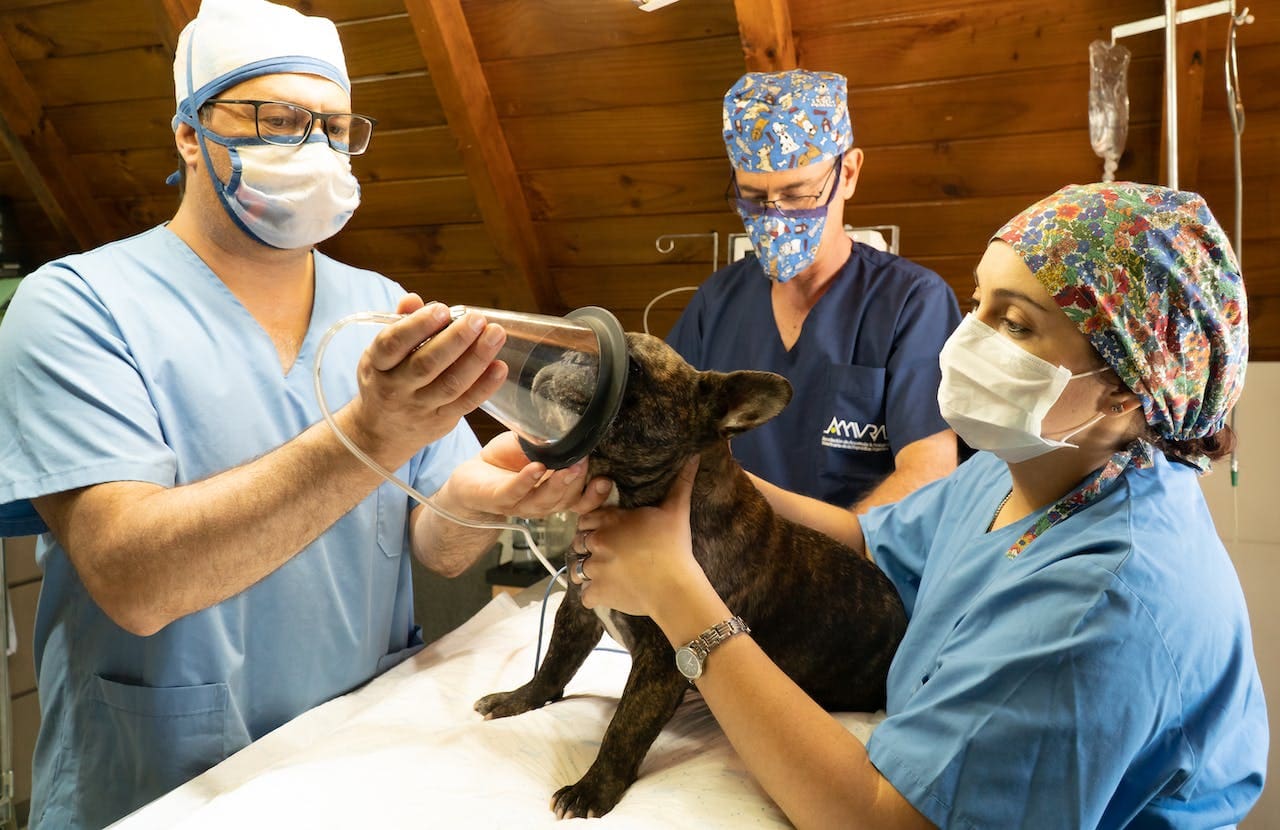
Did you know that there are veterinarians who specialize in anesthesiology? Veterinary anesthesiologists are veterinarians who have completed additional education and passed an exam to become board-certified in anesthesia. Like most specialists, veterinary anesthesiologists typically complete an internship of 1-2 years, followed by a 3-year residency....

In the realm of veterinary dentistry, the importance of preoperative bloodwork cannot be overstated. Just as in human medicine, these tests serve as a crucial step in ensuring the safety and well-being of our animal companions undergoing dental procedures. While it may seem like an...

Before every anesthetic procedure, your veterinarian or a veterinary technician will ask for what’s called a CPR (Cardiopulmonary Resuscitation) Status because it is important that your veterinary care team knows what your wishes would be in the event that your pet undergoes cardiopulmonary arrest while...

Many owners are concerned about the safety of putting their pet under general anesthesia for a dental procedure and we understand how stressful that can be. We have covered the risks of anesthesia-free dentistry in an earlier blog post, but what does it mean for...