




13 Mar The Role of a Board-Certified Veterinary Anesthesiologist™ in Advanced Dental Procedures
Board-certified Veterinary Anesthesiologists™ are veterinarians who have completed a 3-year residency which consisted of additional specialized training in anesthesiology and pain management (analgesia). They have also published scientific literature in the field and passed extensive advanced testing to become board-certified by the American College of Veterinary Anesthesia and Analgesia (ACVAA).
What Is a Veterinary Anesthesiologist?
Veterinary Anesthesiologists™ are specialists in anesthetizing animals safely and they are especially necessary for patients that are at higher risk of anesthetic complications such as patients with heart, kidney or liver disease, Diabetes Mellitus, or other medical conditions. They also allow your Veterinary Dentist™ to focus entirely on the dental procedure being performed, without having to worry about managing any part of anesthesia.
Here at Animal Dental Care & Oral Surgery, we have the pleasure of working with several wonderful Veterinary Anesthesiologists™. Dr. Bonnie Wright and Dr. Jalise Zumstein visit our practice several times a month to anesthetize many of our highest-risk patients. We also work with MyAnesthesiologist and their team of highly experienced anesthesiologists, who work remotely.
How Veterinary Anesthesiologists Prepare for Your Pet’s Procedure
Whether working in-person or remotely, the job of an anesthesiologist is important and extensive. They begin each case with a thorough review of the patient’s medical history, current medications, current medical concerns, pre-operative bloodwork and any auxiliary testing the patient may have had prior to anesthesia, such as an echocardiogram for patients with heart concerns or an MRI for a patient with seizures.
Next, the anesthesiologist will develop a drug plan unique to the patient and their specific health concerns. Included in this plan, the anesthesiologist will select the safest and most effective pain medication (typically an opioid) and sedative, followed by the safest drug with which to induce anesthesia.
They may plan to give a continuous infusion of certain medications throughout the procedure to control pain or maintain blood pressure or heart rate. In some cases, the anesthesiologist may elect to place the patient on a ventilator to have greater control over their respirations.
Monitoring Your Pet During Anesthesia
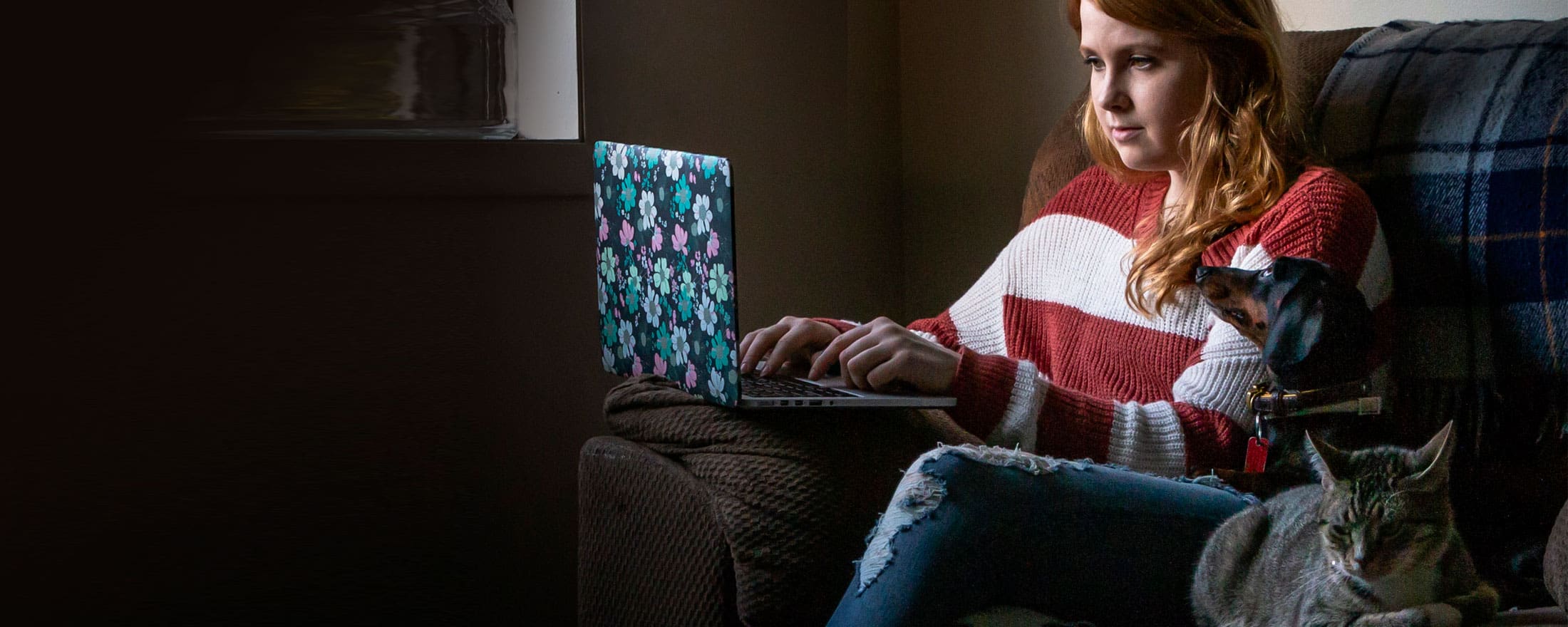
Throughout the procedure, the patient is monitored continuously for heart and respiratory rate, blood pressure, oxygenation levels and body temperature. For anesthesiologists working remotely, they are closely watching their computer screen, which mirrors exactly with the patient’s monitoring equipment.
While doing so, they are in direct communication with one of our experienced Registered Veterinary Technicians standing directly at the patient’s side. Throughout the procedure, the veterinary anesthesiologist will make real-time adjustments to the patient’s medications, including anesthetic gas, to maintain the patient at an appropriate level of anesthesia while keeping them as safe as possible.
Why a Veterinary Anesthesiologist Is Important for Your Pet’s Safety
Veterinary Anesthesiologists™ are invaluable members of your pet’s veterinary team. Their expertise allows patients to safely undergo necessary anesthetic procedures, even when they are at an increased risk.
Without having to worry about anesthesia, your Veterinary Dentist™ can work at their most efficient, allowing for shorter anesthetic procedures. Call us at 970-732-9777 today to schedule your pet’s next anesthetized professional dental examination and cleaning with a Veterinary Anesthesiologist™!
Photo by Allan N on Unsplash used with permission under the Creative Commons license for commercial use 03/13/2026
