


13 Aug Why an Anesthetized Oral Exam for Pets Is Essential for Detecting Dental Disease
Many pet owners are surprised to learn that a quick look inside their dog’s or cat’s mouth during a routine wellness visit cannot tell the whole story. While your veterinarian can identify obvious concerns such as tartar buildup, broken teeth, or inflamed gums, many painful dental conditions remain hidden beneath the gumline. That’s why an anesthetized oral exam for pets is often recommended when dental disease is suspected.
Why an Awake Oral Exam Can Miss Dental Disease
Even the friendliest pets will only tolerate a brief oral examination while awake. Areas at the back of the mouth, under the tongue, and between the teeth are difficult to evaluate without causing stress. Most importantly, approximately 60% of each tooth lies below the gumline. Problems affecting the roots, surrounding bone, and periodontal tissues cannot be seen during an awake examination.
What Happens During an Anesthetized Oral Exam for Pets?
An anesthetized oral exam for pets allows your veterinary team to carefully examine every tooth and every part of the oral cavity while your pet is safely asleep. General anesthesia keeps your pet comfortable, eliminates stress, and allows the veterinary dentist to perform a complete assessment.
During the examination, your veterinarian will evaluate every tooth individually, measure periodontal pockets around each tooth, check for loose or fractured teeth, examine the tongue, cheeks, and palate, and obtain full-mouth dental radiographs and cone beam CT to evaluate structures below the gumline. Diagnostic imaging is especially important because it shows disease that cannot be seen with the naked eye.
Dental Problems That May Be Hidden Below the Gumline
Many serious dental conditions develop silently and may not cause obvious symptoms until they become advanced. An anesthetized examination can identify conditions such as tooth root abscesses, tooth resorption, fractured tooth roots, advanced periodontal disease, retained tooth roots, and developmental dental abnormalities. Detecting these problems early allows treatment before your pet experiences significant pain or tooth loss.
How We Prioritize Your Pet’s Safety During Anesthesia
Modern veterinary anesthesia is very safe when performed with appropriate precautions. At Animal Dental Care & Oral Surgery, your pet’s safety is our highest priority, and every anesthetic procedure is managed by a dedicated team of board-certified veterinary anesthesiologists. These specialists develop an individualized anesthetic plan based on your pet’s age, medical history, and health status, and they continuously monitor vital signs throughout the procedure. This advanced level of expertise allows us to provide the safest possible anesthetic care while your pet undergoes a comprehensive oral examination and any necessary dental treatment.
Schedule an Anesthetized Oral Exam for Your Pet
Dental disease is one of the most common health problems in dogs and cats, and many pets hide signs of oral pain remarkably well. A pet may continue eating despite having severe dental disease, making it easy for problems to go unnoticed. An anesthetized oral exam for pets provides the most accurate way to diagnose dental disease and develop an appropriate treatment plan. By identifying hidden problems early, your veterinarian can relieve pain, preserve healthy teeth whenever possible, and improve your pet’s overall quality of life.
If you’re concerned about your pet’s oral health or have been referred for a dental evaluation, contact Animal Dental Care & Oral Surgery to schedule a consultation. Our veterinary dental team can evaluate your pet’s needs and determine whether an anesthetized oral exam is the right next step.
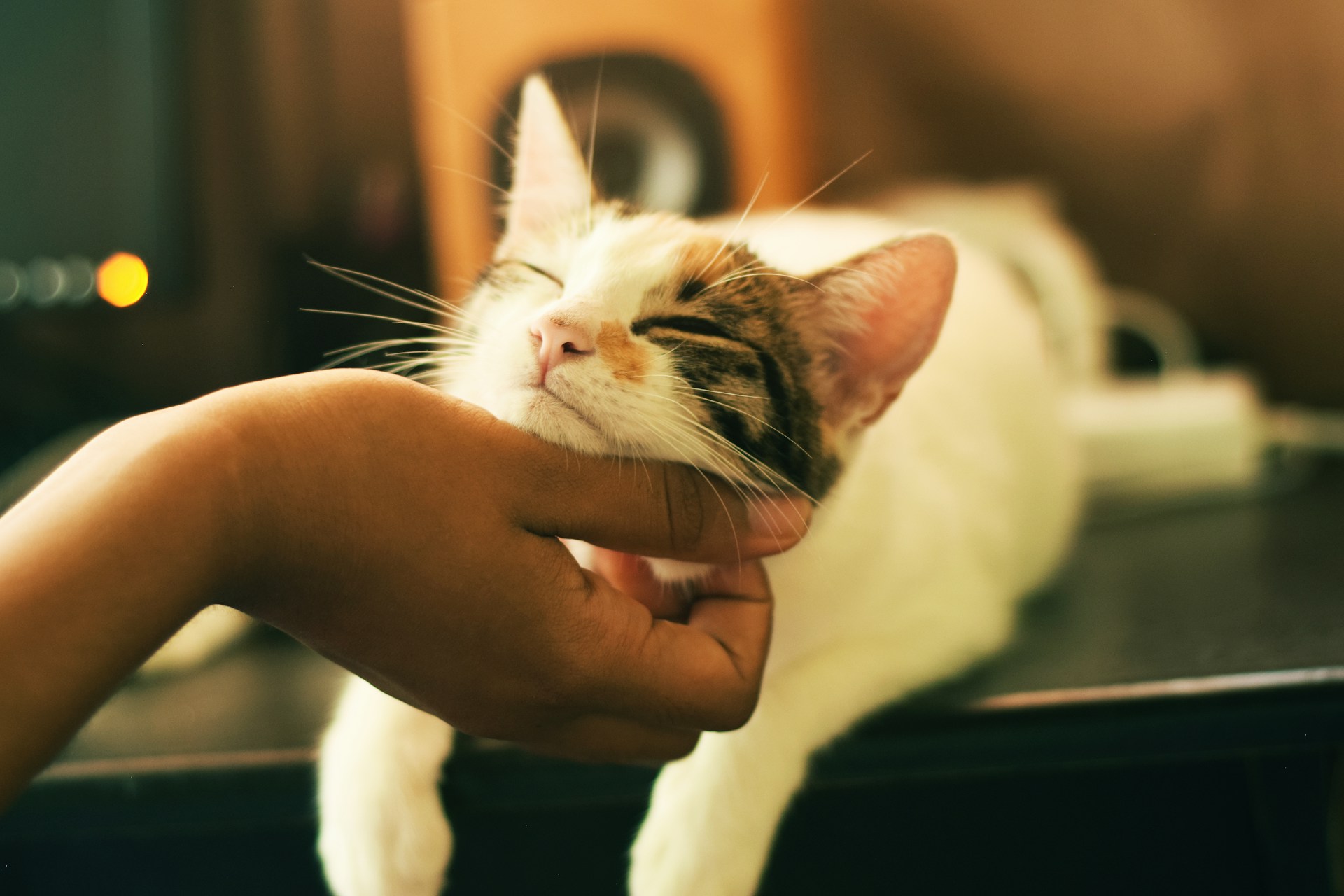
Photo by Yerlin Matu on Unsplash used with permission under the Creative Commons license for commercial use 07/13/2026