



27 Mar Tooth Resorption in Cats
If you have ever been to the dentist yourself, you may have heard about gum disease or cavities. But for cats, tooth resorption is one of the most common dental diseases. While humans, dogs, and even horses can get tooth resorption, cats are by far the most affected species. So, what is this disease, and what can we do about it?
What Is Tooth Resorption in Cats?
Tooth resorption occurs when the body’s own cells (odontoclasts) destroy the hard tissues of the tooth. No one knows exactly why odontoclasts become active and destructive in adult cats. Sometimes it seems to be associated with inflammation, such as periodontal disease. Other times, there seems to be no obvious trigger.
The initial damage is microscopic, but once the process has started, resorption continues until there are either visible holes in the crown of the tooth, or defects on the root or inside the tooth that can only be seen with diagnostic imaging like dental x-rays.
Signs, Diagnosis, and Treatment of Tooth Resorption in Cats
On an awake oral exam, a veterinarian can look for missing teeth, fractured teeth, or teeth with areas where the gum tissue is growing over the crown, acting like a band-aid over a resorptive lesion. Many resorptive lesions can only be seen under anesthesia using a combination of dental x-rays, magnification, and probing. Most cats will have more than one tooth affected at the same time.
Tooth resorption is more common in older cats. Certain teeth, like the lower third premolars, are more frequently affected than others. If left untreated, the resorption of the tooth’s structure can cause the crown to break off, and eventually, the gum tissue can heal over the area where the tooth used to be. This is a slow and painful process.
Because the loss of the tooth is inevitable, a veterinarian can treat affected teeth by extracting them. In some types of tooth resorption, the body converts the tooth roots into bone. In these cases, the roots may be left in place. Diagnostic imaging, including dental X-rays of every tooth, as well as the knowledge of how to interpret the images correctly, is critical for the treatment of this condition.
Keeping Your Cat Comfortable and Pain-Free
At Animal Dental Care and Oral Surgery in Fort Collins, our team of doctors and technicians are experts in all areas of animal oral health, including tooth resorption in cats. We start with an awake physical exam, looking for telltale signs of tooth resorption. We screen each cat to ensure that general anesthesia can be performed safely.
Every patient receives full-mouth dental x-rays as well as a cone beam CT scan to look for abnormalities. If your cat has tooth resorption, they are going to lose teeth one way or the other. At ADCOS, we accurately diagnose tooth resorption and use the least invasive treatment required to keep your cat’s mouth pain-free and healthy.
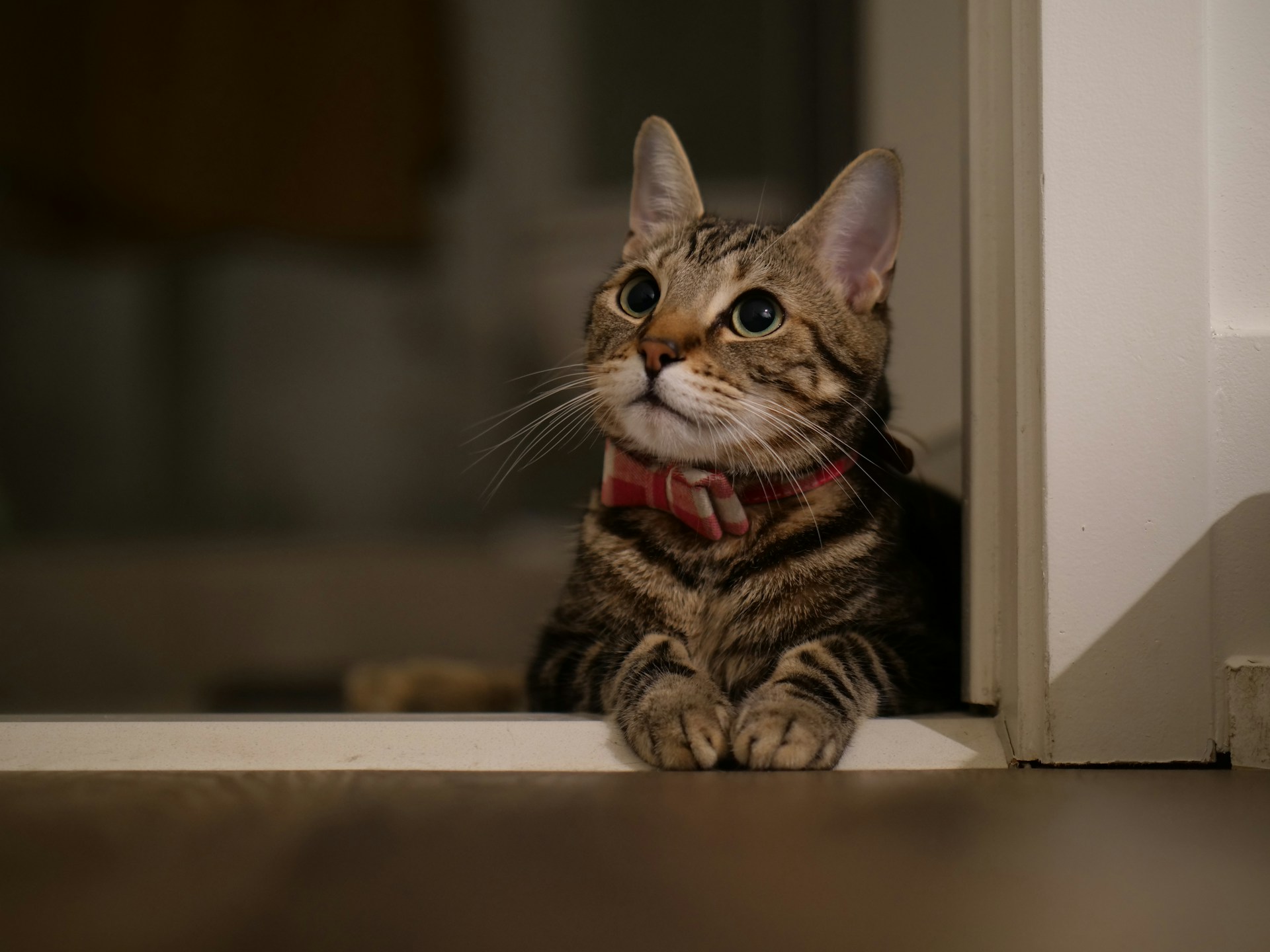
Photo by River Kao on Unsplash used with permission under the Creative Commons license for commercial use 03/27/2026